
Views: 222 Author: Wendy Publish Time: 2025-12-16 Origin: Site


Content Menu
● Understanding the Russian Capacitive Touch Screen Market
● Key Requirements of Capacitive Touch Screen Users in Russia
● Types of Capacitive Touch Screen Solutions in the Russian Market
● Major International Brands Serving the Russian Market
>> KYOCERA Display and Touch Solutions
>> Keetouch (Industrial Touch Products for Russia and Europe)
>> Global Touch Screen Brands Used in Russia
● Local Russian Producers and Integrators
● How to Choose Capacitive Touch Screen Suppliers in Russia
>> Technical and Environmental Specifications
>> Supply Chain, Certification, and Support
● Opportunities for Global Suppliers Serving Russia
● Example Use Cases of Capacitive Touch Screen Technology in Russia
● Design and Customization Trends for Capacitive Touch Screens in Russia
● Integration of Capacitive Touch Screen HMIs into Industrial Systems
● Why Capacitive Touch Screen Technology Is the Preferred Choice
● FAQ
>> 1. What is a Capacitive Touch Screen and how does it work?
>> 2. Why is Capacitive Touch Screen technology popular in Russian industrial applications?
>> 3. Can Capacitive Touch Screen devices be used outdoors in Russia's cold climate?
>> 4. How do Russian companies typically source Capacitive Touch Screen products?
The demand for Capacitive Touch Screen solutions in Russia continues to rise as industries such as industrial automation, retail, transportation, and healthcare adopt smarter human–machine interfaces (HMIs) and interactive devices. For buyers, integrators, and OEMs, understanding the local market landscape and key suppliers of Capacitive Touch Screen products in Russia is essential for building reliable equipment, kiosks, POS systems, and control terminals.[1][2]
For international buyers sourcing from Capacitive Touch Screen manufacturers and suppliers, understanding the local producers, product ranges, and quality standards is the key to successful cooperation.

Russia's wider touch-sensor market is projected to grow strongly through 2032, driven by consumer electronics, industrial HMIs, and smart infrastructure, with capacitive technologies highlighted as one of the fastest-growing segments. This growth is underpinned by rising demand for responsive, multi-touch interfaces in machines, public terminals, and factory automation equipment across the country.[3][1]
Capacitive Touch Screen solutions now dominate many new application designs because they offer higher durability, multi-touch capability, and better optical performance compared with traditional resistive touch panels. For Russian end users, this means a clear shift toward projected capacitive (PCAP) touch for operator panels, medical devices, and outdoor kiosks that must withstand intensive everyday use.[2]
Russian buyers of Capacitive Touch Screen products typically emphasize several performance and reliability factors. These requirements are especially critical because many installations must work reliably in harsh locations, remote facilities, and public areas.[4][5]
Common expectations for Capacitive Touch Screen solutions in Russia include:
- Stable operation at low temperatures and in harsh climates, which is critical for outdoor kiosks, transportation terminals, and remote industrial installations.[4]
- High resistance to dust, moisture, and vandalism for public-facing terminals in metro stations, bus stops, and retail environments.[6][7]
- Strong EMI/ESD immunity for industrial automation and power-sector HMIs, where electrical noise is common.[5][8]
- Support for gloved operation and water rejection, important in factories, food processing, and medical applications where users often wear gloves.[5][4]
Industrial buyers in Russia increasingly require long product lifecycles, consistent supply, and customization services such as special cover glass, optical bonding, and interface options (USB, I2C, UART) for their Capacitive Touch Screen assemblies. As a result, manufacturers that offer engineering support and flexible design options tend to be favored for large, long-term projects.[9][6]
Capacitive Touch Screen solutions available in Russia can be broadly divided into several categories that address different stages in the value chain. Understanding these categories helps buyers choose the level of integration that best fits their projects.[6][9]
The main categories include:
- Standalone Capacitive Touch Screen sensor panels that OEMs integrate with their own LCDs, enclosures, and control electronics.
- Fully assembled touch monitors and panel PCs with industrial housings, designed for factory and kiosk environments.[9][6]
- Operator panels (HMI terminals) that embed Capacitive Touch Screen technology within a compact device including CPU, memory, and industrial communication ports.[7][8][5]
Projected capacitive (PCAP) technology is the primary type deployed in these products, offering multi-touch, high transparency, and the ability to be combined with thick cover glass for extra ruggedness. In many Russian projects, PCAP Capacitive Touch Screen modules are paired with industrial TFT LCDs from 4.3 inches up to 21.5 inches and larger, serving everything from small machine interfaces to large operator workstations.[2][5][9]
Although Russia has domestic capabilities, many Capacitive Touch Screen solutions used in the Russian market come from international brands that supply industrial touch displays and HMIs. These brands deliver both components and finished devices that are then integrated into local machines and systems.[10][11]
KYOCERA offers LCDs and glass-glass touch panels, including Capacitive Touch Screen assemblies, through its Russian division, serving industrial and automotive customers. The company provides robust, long-life displays and touch modules that can be customized with different cover glass, interfaces, and bonding methods to meet specific project needs in Russia.[9]
KYOCERA's Capacitive Touch Screen products are known for high optical clarity, wide temperature operation, and reliability suitable for harsh environments, which aligns well with Russian industrial requirements. These modules are often integrated into instruments, control panels, and specialized equipment built by local system integrators and OEMs that need dependable Capacitive Touch Screen interfaces.[9]
Keetouch specializes in rugged touchscreens and touch monitors, including projected Capacitive Touch Screen solutions for industrial, kiosk, and retail markets. The company manufactures industrial touch monitors, panel PCs, and open-frame displays that are widely used across Eastern Europe and can be supplied into Russia through regional channels.[6]
Keetouch's Capacitive Touch Screen products feature vandal-resistant front glass, support for 24/7 operation, and options for sealed front panels that meet IP standards, making them popular for ATMs, ticket machines, and public information kiosks. Customization services allow customers to order non-standard sizes, branding, and mounting options, which is particularly useful for Russian system integrators delivering turnkey Capacitive Touch Screen installations.[6]
Beyond region-focused companies, OEMs and integrators in Russia also use Capacitive Touch Screen components and monitors from leading global manufacturers serving industrial and commercial markets. These include well-known names that provide capacitive touch modules, industrial monitors, and specialized displays for HMIs, POS terminals, and automotive systems.[11][10][2]
For many Russian buyers, these international Capacitive Touch Screen brands are accessed through distributors, solution providers, or imported as part of complete finished devices, such as operator panels, medical devices, and rugged tablets. Choosing a partner that can bridge language, certification, and logistics requirements is often just as important as selecting a specific Capacitive Touch Screen brand.[12][13]
Russia's market also features local manufacturers and integrators that produce touch-based operator panels and industrial HMIs, frequently using Capacitive Touch Screen technology as part of their solutions. These firms typically focus on designing complete operator terminals for machine builders, power systems, and building automation installations.[14][7]
PROMPOWER, for example, offers touchscreen operator panels marketed as innovative, high-performance HMI devices suitable for industrial equipment control. These operator panels combine a color display with a Capacitive Touch Screen interface, rugged housing, and the necessary electronics, meaning the touch system is already integrated and tested as part of the finished product.[7]
Some Russian system integrators source Capacitive Touch Screen modules and LCDs from global suppliers, then assemble customized local solutions that meet domestic standards and documentation requirements. This approach gives end-users in Russia access to reliable Capacitive Touch Screen technology while benefiting from local after-sales support, Russian-language interfaces, and shorter service cycles.[12][14][7][9]
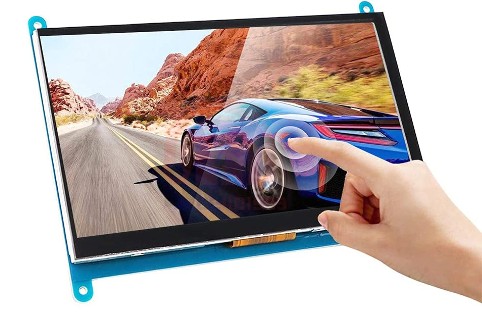
When selecting Capacitive Touch Screen manufacturers and suppliers in Russia, buyers should systematically evaluate several technical and commercial criteria. Thoughtful selection can significantly reduce lifecycle costs and improve equipment reliability.
First, confirm that the Capacitive Touch Screen or HMI panel meets the target project's environmental and mechanical requirements, including operating temperature range, IP rating, shock and vibration resistance, and front-glass thickness. For outdoor or semi‑outdoor Russian deployments, frost resistance, anti‑glare or anti‑reflective coatings, and high brightness are especially important to maintain readability and responsiveness.[4][5][9]
Second, verify the touch performance parameters of the Capacitive Touch Screen, such as response time, multi-touch points, noise immunity, and the ability to support gloved or wet-hand operation if required. Industrial HMIs typically also demand robust controller firmware and long-term availability of the same Capacitive Touch Screen model to simplify maintenance, spare‑parts management, and certification.[2][5][4]
From a commercial standpoint, check whether the Capacitive Touch Screen supplier can ensure stable lead times, local stock or warehouse arrangements, and documentation in Russian, such as user manuals and conformity certificates. For critical infrastructure, it is vital that the supplier can provide long‑term technical support, firmware updates, and repair services within acceptable turnaround times.[7][6][9]
Many Russian projects also require that Capacitive Touch Screen systems comply with local or international standards in safety, EMC, and environmental performance, which reputable producers and distributors are prepared to document. For OEMs exporting finished equipment from Russia, choosing a Capacitive Touch Screen partner with global certifications can simplify selling machines into Europe, the Middle East, and other regions.[2][9]
Despite the presence of local integrators and certain domestic products, Russia continues to import significant volumes of touch-enabled operator panels and related components. Data on human–machine interface operator panel imports shows sizable shipments of digital operator panels and touch HMIs from foreign factories, including Chinese manufacturers, into Russia.[13][12]
This environment offers opportunities for overseas producers of Capacitive Touch Screen modules, industrial touch monitors, and customized touch assemblies to work with Russian OEMs and solution providers. Collaborations that pair advanced Capacitive Touch Screen technology with localized design, software integration, and on‑the‑ground service can be particularly competitive in sectors such as machinery, transportation, and energy.[8][5][6]
For suppliers specializing in glass processing, coatings, or protective overlays, there is also demand for durable cover lenses and optical bonding services that enhance the performance of Capacitive Touch Screen displays used in harsh Russian installations. As Industry 4.0 and smart‑factory initiatives expand, reliable Capacitive Touch Screen interfaces will remain central to HMI design in Russian plants, control centers, and infrastructure.[4][6]
Capacitive Touch Screen products are already widely used across multiple Russian industries, where they deliver both functional and aesthetic advantages. These use cases demonstrate how flexible the technology has become.
Typical examples include:
- Industrial automation: Capacitive Touch Screen HMIs mounted on production lines for recipe selection, machine diagnostics, alarm monitoring, and data entry.[5][7]
- Transportation and ticketing: Capacitive Touch Screen kiosks in metro systems, bus stations, and railway terminals, providing self-service ticketing and real-time passenger information.[14][6]
- Retail and POS: Capacitive Touch Screen POS terminals and self‑checkout systems in supermarkets, restaurants, and convenience stores, offering fast, intuitive user interaction and support for loyalty programs.[15][11]
- Healthcare: Medical devices and information terminals using Capacitive Touch Screen interfaces for easy cleaning, accurate operation, and clearer visual presentation of patient data.[3][10]
Each of these applications imposes its own design constraints on the Capacitive Touch Screen, whether that is compatibility with medical disinfection agents, higher brightness for outdoor visibility, or extra-thick glass for vandal resistance. Working closely with a qualified supplier helps Russian customers specify the right Capacitive Touch Screen structure, cover lens, and controller solution for each scenario.[4][6]
As Russian manufacturers and system integrators seek differentiation, customized Capacitive Touch Screen designs are becoming more common in both industrial and public-facing applications. Custom projects can address branding, ergonomics, and technical performance in a more targeted way than standard catalog parts.[6][9]
Popular customization options for Capacitive Touch Screen assemblies include:
- Special cover glass thickness and shape, such as curved or chamfered edges, to match enclosure designs and improve user comfort.
- Printing of logos, icons, and colored frames on the glass to align the Capacitive Touch Screen front panel with corporate branding and user-interface layouts.[6]
- Optical bonding between the LCD and the Capacitive Touch Screen sensor to improve contrast, reduce reflections, and enhance outdoor readability in demanding Russian environments.[9][6]
Advanced projects may also request specific controller chipsets, firmware tuning, or support for multi-finger gestures optimized for particular software interfaces. In complex HMIs, a carefully tuned Capacitive Touch Screen can significantly improve usability and reduce operator fatigue, especially when operators interact with the system for many hours per shift.[5][2]
Integrating a Capacitive Touch Screen into a Russian industrial system involves both mechanical and electronic considerations. Successful integration can reduce maintenance needs and enhance the value of the final machine.
Mechanically, the Capacitive Touch Screen must be securely sealed to protect internal electronics from dust, oil, and moisture while providing a smooth, comfortable surface for operators. The enclosure design must support proper mounting, cable routing, and heat dissipation, especially for panel PCs where the Capacitive Touch Screen is paired with CPU and power components.[7][5][4]
Electronically, system designers must ensure that the Capacitive Touch Screen controller interfaces correctly with the host system via USB, I2C, or other interfaces and that drivers are available for the selected operating system. Care should also be taken to minimize electromagnetic interference affecting the Capacitive Touch Screen, which may involve shielding, grounding, and layout adjustments in the control cabinet.[8][2][5]
The strong growth outlook for Capacitive Touch Screen shipments in Russia is closely tied to the technology's advantages over alternative touch solutions. In contrast to resistive touch, a Capacitive Touch Screen does not rely on pressure, which reduces mechanical wear, improves optical clarity, and enables multi-touch gestures with faster response.[1][2]
Projected capacitive technology also supports thicker cover glass and sophisticated industrial design, which is why many modern HMIs, ATMs, ticket machines, and digital signage units adopt Capacitive Touch Screen interfaces. As Russia modernizes infrastructure and industrial plants, devices that offer intuitive, smartphone-like Capacitive Touch Screen experiences will continue to replace older mechanical buttons and simple text displays in both industrial and commercial environments.[2][6]
Russia's Capacitive Touch Screen market is expanding rapidly, powered by industrial automation, smart infrastructure, and the growing expectation for intuitive, multi-touch user interfaces in both public and professional environments. Buyers can choose from a mix of international touch brands, regional industrial display manufacturers, and local Russian HMI producers and integrators, all of whom deliver a variety of Capacitive Touch Screen solutions ranging from bare sensors to fully assembled operator panels.[1][7][2][9][6]
Selecting the right Capacitive Touch Screen partner in Russia requires careful evaluation of environmental performance, long-term reliability, supply-chain stability, and local support capabilities. With a well-chosen supplier, Russian OEMs, system integrators, and end‑users can build durable, user‑friendly equipment that leverages the full potential of modern Capacitive Touch Screen technology across factories, transport systems, retail spaces, and healthcare facilities.[4][9][6]
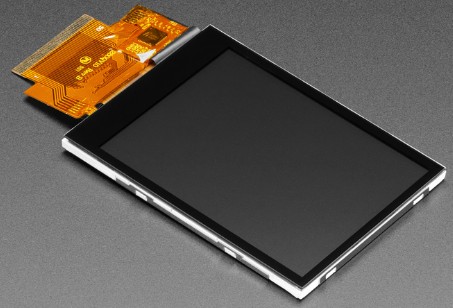
A Capacitive Touch Screen is a touch interface that detects finger or stylus input by measuring changes in electrical capacitance across a grid of transparent conductors on or beneath the glass surface. When a conductive object such as a finger approaches the screen, it disturbs the local electric field, allowing the controller to pinpoint the touch location very accurately.[2]
Capacitive Touch Screen technology is popular in Russian factories and infrastructure projects because it offers fast, precise, multi-touch input with durable glass surfaces that tolerate frequent use and cleaning. In addition, modern industrial Capacitive Touch Screen HMIs can be engineered to work with gloves, resist electrical noise, and operate reliably over wide temperature ranges typical of Russian environments.[5][2][4]
Yes, many industrial and kiosk-grade Capacitive Touch Screen solutions are designed with wide operating temperature ranges, heaters, and special glass to function reliably in cold climates such as Russian winters. For outdoor use, buyers should choose Capacitive Touch Screen products with suitable IP ratings, anti-glare coatings, and brightness levels high enough for daylight readability.[9][4][6]
Russian OEMs and integrators often source Capacitive Touch Screen modules, displays, or complete HMIs either from international manufacturers via distributors or from regional industrial display brands that serve Eastern Europe and Russia. Many local HMI panel producers integrate imported Capacitive Touch Screen technology into finished operator terminals that carry Russian labeling, documentation, and after-sales service.[13][12][7][6][9]
Before choosing a supplier, project teams should confirm the Capacitive Touch Screen's environmental ratings, touch performance, controller longevity, certifications, and availability of Russian-language technical support. It is also important to review lead times, stock options, warranty conditions, and the supplier's ability to provide customization such as special glass, bonding, or mechanical designs for local Russian conditions.[7][4][6][9]
[1](https://www.databridgemarketresearch.com/nucleus/russia-touch-sensor-market)
[2](https://www.alliedmarketresearch.com/capacitive-touch-screen-market-A13170)
[3](https://www.nextmsc.com/report/russia-tactile-sensors-market)
[4](https://yunlea.com/blogs/news/features-of-capacitive-touch-screens-for-the-russian-market)
[5](https://www.unimatautomation.com/ru/blogs/news-and-press/how-to-choose-the-right-industrial-hmi-touch-panel)
[6](https://keetouch.eu)
[7](https://prompower.com/catalog/hmi/)
[8](https://www.micnodrive.com/products/hmi/)
[9](https://russia.kyocera.com/products/lcds_glass_glass_touch_panels/)
[10](https://eagle-touch.com/top-10-touch-screen-manufacturers-in-the-world/)
[11](https://www.sourcifychina.com/top-capacitive-touch-screen-manufacturers-compare/)
[12](https://www.volza.com/p/human-machine-interface-or-machine-operator-panel/import/import-in-russia/)
[13](https://www.marketinsidedata.com/en/search-data/importer?type=import&country=russia&product=lcd-touchscreen)
[14](https://showroom.ecer.com/ru/search-led-backlight-industrial-hmi-touch-panel/)
[15](https://www.aokia.com/oem-manufacturer-capacitive-touch-screen-pos-machine-for-russia-factory.html)