
Views: 222 Author: Wendy Publish Time: 2025-04-28 Origin: Site


Content Menu
● Does the Sony A6000 Have an LCD Screen?
● Technology Behind the Sony A6000 LCD Screen
● Advantages and Disadvantages of the LCD Screen
>> Advantages
● Practical Use of the LCD Screen
● Additional Tips and Tricks for Using the LCD Screen
● Maintenance and Care for the LCD Screen
● Accessories Related to the LCD Screen
● Comparison with Other Cameras
● FAQ About the Sony A6000 LCD Screen
>> 1. What is the size and resolution of the Sony A6000's LCD screen?
>> 2. Is the LCD screen on the Sony A6000 touch-sensitive?
>> 3. Can the LCD screen be tilted for flexible shooting angles?
>> 4. How does the LCD screen perform in bright sunlight?
>> 5. What are some tips for maintaining the Sony A6000's LCD screen?
The Sony A6000, launched in early 2014, remains a popular mirrorless camera choice for enthusiasts and professionals alike. Among its many features, the presence and quality of its LCD screen are often a key point of interest for potential buyers. This article thoroughly explores whether the Sony A6000 has an LCD screen, its specifications, technology, practical use, and how it compares with other display options. Additionally, it offers detailed insights into user experience, maintenance, accessories, and tips for maximizing the LCD screen's potential.
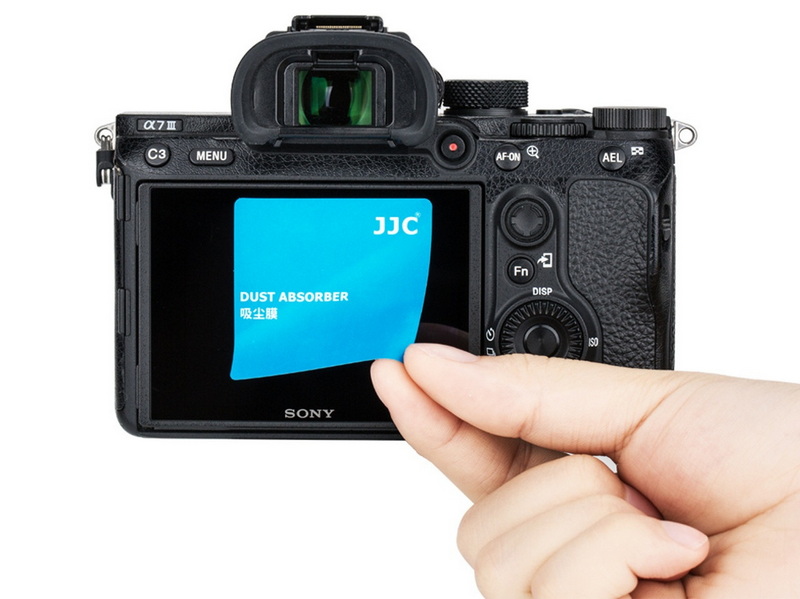
The Sony A6000 is equipped with a 24.3-megapixel APS-C sensor and boasts fast autofocus capabilities with 179 phase detection points. It supports continuous shooting at up to 11 frames per second and offers a versatile ISO range from 100 to 25,600 (expandable to 51,200). The camera records Full HD 1080p video and supports Sony's E-mount lenses, making it suitable for a wide range of photographic applications. Central to its usability is the rear LCD screen, which plays a crucial role in framing, reviewing, and navigating.
Yes, the Sony A6000 features a 3.0-inch LCD screen on its rear. This screen has a resolution of approximately 922,000 dots, providing a clear and detailed display for photographers. It is not a touch screen but offers tilting functionality, allowing it to be angled up or down to facilitate shooting from various perspectives. This tilting feature is especially helpful for low-angle or overhead shots, enhancing compositional flexibility.
The LCD screen in the Sony A6000 employs Thin Film Transistor (TFT) technology, a common choice for digital cameras due to its balance of image clarity, color accuracy, and power efficiency. The 922,000-dot resolution is achieved by a pixel arrangement designed to deliver sharp and detailed visuals. Additionally, the screen is treated with an anti-reflective coating, which reduces glare and improves visibility, even in bright outdoor conditions. This coating is critical for photographers who often shoot in sunlight, as it helps maintain clear viewing without excessive reflections.
When evaluating the Sony A6000's LCD screen, it is useful to compare it with other display technologies such as OLED (Organic Light Emitting Diode) screens and Electronic Viewfinders (EVF).
The tilting LCD screen offers a significant advantage by enabling flexible shooting angles, which fixed EVFs cannot provide. Its 3.0-inch size is ample for comfortable framing and image review. Furthermore, LCD screens typically consume less power than OLEDs, contributing to better battery life during extended shoots. The anti-reflective coating enhances outdoor usability, making it easier to compose shots in various lighting conditions.
However, the Sony A6000's LCD is not touch-sensitive, which can slow down menu navigation compared to cameras with touchscreen interfaces. LCD screens generally have lower contrast and less vibrant colors than OLED displays, which might affect the accuracy of image previews. Despite the anti-reflective coating, visibility can still be challenging under very bright sunlight. Additionally, the fixed resolution of 922,000 dots, while good, is not the highest available on the market, especially compared to some newer cameras with higher-resolution LCDs.

User feedback highlights the Sony A6000's LCD screen as a strong point, particularly praising its clarity and tilting mechanism. Photographers shooting in dynamic or unconventional environments appreciate the ability to tilt the screen for creative angles without awkward positioning. However, some users express a desire for touchscreen functionality, noting that it would streamline focus selection and menu navigation, especially for those accustomed to smartphone-like interfaces. Overall, the screen is regarded as reliable and practical for everyday photography needs.
The LCD screen on the Sony A6000 significantly enhances the shooting experience. Its tilting capability allows photographers to comfortably shoot from low or high angles, which is invaluable for street photography, macro shots, or creative compositions. The live view mode on the screen provides a real-time preview of the scene, enabling users to adjust exposure, white balance, and focus before capturing the image. After shooting, the screen facilitates immediate image review, allowing quick assessment of focus sharpness and composition accuracy.
The screen's brightness and anti-glare properties ensure it remains usable in outdoor settings, although users may sometimes need to shade the screen with their hand or use accessories in very bright conditions. The absence of touchscreen means all settings and navigation rely on physical buttons, which some photographers find more tactile and precise, while others miss the convenience of touch controls.
To fully leverage the Sony A6000's LCD screen, photographers can employ several strategies. Utilizing the histogram display on the screen helps in accurately judging exposure levels, preventing under- or overexposed shots. Enabling grid lines assists with composition, ensuring horizons are level and subjects are well-placed according to the rule of thirds.
When recording video, the LCD screen serves as a vital tool for monitoring focus and framing in real time. Customizing function buttons to quickly adjust screen brightness or toggle display information can save time and improve workflow. Additionally, using the tilting feature creatively can produce unique perspectives that stand out.
Proper care of the LCD screen is essential to maintain its clarity and longevity. Cleaning should always be done with a soft microfiber cloth to avoid scratches. Harsh chemicals and abrasive materials must be avoided as they can damage the screen's coating. When the camera is not in use, storing it in a protective case helps prevent dust accumulation and accidental damage.
Applying a high-quality screen protector designed specifically for the Sony A6000 can safeguard the screen from scratches and fingerprints. Regular inspection and gentle cleaning will keep the display in optimal condition, ensuring a clear view for years of use.
Several accessories can enhance the usability and protection of the Sony A6000's LCD screen. Screen protectors reduce glare and shield the display from scratches. LCD hoods or shades attach around the screen to block sunlight, improving visibility during outdoor shoots. For photographers who desire even more flexibility, articulating arms or mounts can be used to position the screen at unconventional angles beyond the built-in tilt, although these are less common and may require custom solutions.
When placed alongside competitors, the Sony A6000's LCD screen holds its own. Cameras like the Sony A5100 and A6300 share similar 3.0-inch, 922,000-dot tilting LCDs. Some rivals, such as the Canon G7 X, feature slightly higher resolution screens (around 1,040,000 dots) and touch capabilities, which may appeal to users prioritizing those features. However, the A6000's combination of screen size, tilting flexibility, and power efficiency remains competitive and well-suited for a broad range of photographic tasks.
The Sony A6000 indeed has a 3.0-inch, 922,000-dot tilting LCD screen that plays a vital role in its overall functionality. While it lacks touchscreen capabilities, the screen offers excellent clarity, useful tilting flexibility, and good outdoor visibility thanks to its anti-reflective coating. It strikes a balance between usability and power efficiency, complementing the camera's fast autofocus and high-resolution sensor. For photographers seeking a versatile, compact mirrorless camera with a reliable LCD screen, the Sony A6000 remains an excellent choice. Proper care, thoughtful use of its features, and compatible accessories can further enhance the shooting experience.
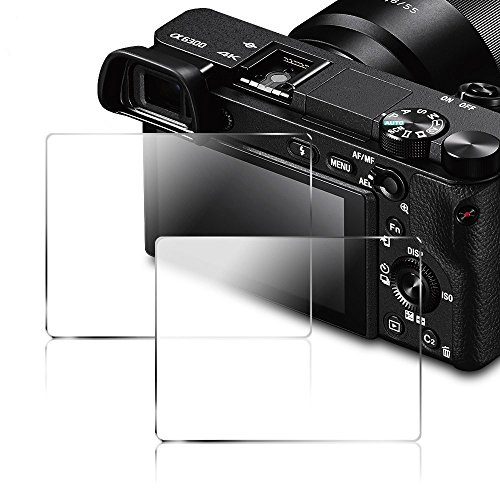
The Sony A6000 features a 3.0-inch rear LCD display with a resolution of approximately 922,000 dots, providing clear and detailed image previews.
No, the LCD screen is not touch-sensitive. All camera settings and navigation are controlled via physical buttons and dials.
Yes, the LCD screen tilts upwards and downwards, allowing photographers to shoot from low or high angles comfortably.
Thanks to its anti-reflective coating and adjustable brightness, the LCD screen remains usable in bright outdoor conditions, though shading the screen can improve visibility further.
Use a microfiber cloth for cleaning, avoid harsh chemicals, keep the camera in a protective case when not in use, and consider applying a screen protector to prevent scratches.
[1] https://apotelyt.com/camera-specs/sony-a6000-lcd-size
[2] https://www.professorhines.com/blog-post/sony-6000-series-review
[3] https://www.colbybrownphotography.com/an-in-depth-review-of-the-sony-a6000/
[4] https://apotelyt.com/camera-specs/sony-a6000-lcd-resolution
[5] https://amateurphotographer.com/review/sony-alpha-6000-review/
[6] https://www.reddit.com/r/SonyAlpha/comments/1blfxt2/is_this_fixable_lcd_screen_is_fine_sony_a6000/
[7] https://www.ifixit.com/Guide/Sony+%CE%B16000+LCD+Screen+Replacement/124730
[8] https://www.dpreview.com/products/sony/slrs/sony_a6000
[9] https://www.youtube.com/watch?v=24FLOyTjbZY
[10] https://www.dpreview.com/products/sony/slrs/sony_a6000/specifications
[11] https://www.sony.com.hk/en/electronics/interchangeable-lens-cameras/ilce-6000-body-kit
[12] https://cameradecision.com/specs/Sony-Alpha-a6000
[13] https://www.reddit.com/r/SonyAlpha/comments/723tnn/why_didnt_sony_design_the_a6000_lcd_to_turn_180/
[14] https://www.dxomark.com/Cameras/Sony/A6000---Specifications
[15] https://photographylife.com/reviews/sony-a6000
[16] https://www.sony-asia.com/electronics/support/e-mount-body-ilce-6000-series/ilce-6000/specifications
[17] https://adamrhodesphotography.co.uk/sony-a6000-mirrorless-camera-is-it-worth-buying-in-2025/
[18] https://www.dpreview.com/forums/thread/4196874
[19] https://www.youtube.com/watch?v=LiN-jye52So
[20] https://www.sony.com.hk/en/electronics/interchangeable-lens-cameras/ilce-6000-body-kit/specifications