
Views: 222 Author: Wendy Publish Time: 2025-12-12 Origin: Site


Content Menu
● Overview of Japan's TFT LCD Display Industry
● Leading Japanese TFT LCD Display Manufacturers
>> NEC / Sharp NEC Display Solutions
>> TOPPAN and Blanview TFT LCD Displays
● Japanese TFT LCD Display Solution Providers and Integrators
>> SOAR CORPORATION and System‑Level Display Solutions
>> Trading Companies and Engineering Houses
● Typical Applications of Japanese TFT LCD Displays
>> Industrial and Factory Automation
>> Medical and Laboratory Equipment
>> Transportation and Public Information
● How to Choose a Japanese TFT LCD Display Partner
>> Step 1: Define Technical Requirements
>> Step 2: Evaluate Lifecycle and Supply Stability
>> Step 3: Review Optical and Environmental Performance
>> Step 4: Use Images and Videos During Evaluation
>> Step 5: Confirm Commercial Terms and Support
● Example Positioning of Major Japanese TFT LCD Display Players
● FAQ – Japanese TFT LCD Display Sourcing
>> 1. Why do many industrial OEMs prefer Japanese TFT LCD Display suppliers?
>> 2. Are Japanese TFT LCD Displays always more expensive than alternatives?
>> 3. How can a small or mid‑size company source Japanese TFT LCD Display modules?
>> 4. What should be tested first when receiving TFT LCD Display samples?
>> 5. Can Japanese TFT LCD Display suppliers support full custom designs?
Japan remains one of the most influential hubs for TFT LCD Display innovation, especially for industrial, automotive, and high‑reliability applications. Choosing the right Japanese TFT LCD Display manufacturer and supplier helps OEMs, system integrators, and brands secure long‑term quality, stable supply, and advanced display performance.

Japan played a pioneering role in LCD and TFT LCD Display development and still sets benchmarks in image quality, reliability, and new display technologies. Even though large‑volume mass‑market consumer production has shifted toward other Asian regions, Japanese TFT LCD Display brands remain strong in niche, premium, and industrial markets where performance and lifetime matter more than the lowest cost.Modern Japanese TFT LCD Display solutions are widely used in medical devices, factory automation HMIs, automotive clusters, point‑of‑sale terminals, rugged mobile computers, and public information systems. Many Japanese manufacturers combine TFT LCD Display modules with touch panels, controller boards, optical films, and mechanics to deliver complete, application‑ready systems rather than just bare panels.In practice, buyers often turn to Japan when they need:- Long product lifecycles and strict change control for industrial or medical OEMs- Excellent temperature, vibration, and ESD robustness for automotive and outdoor use- High color accuracy and contrast for medical imaging, broadcasting, and graphics workstationsBy understanding how the Japanese TFT LCD Display ecosystem is structured, buyers can better position their projects and select the right partners for each application.
Japan Display Inc. (JDI) was formed by combining the small and medium LCD operations of several major Japanese electronics companies, which instantly made it one of the largest suppliers of advanced TFT LCD Display panels. JDI focuses heavily on small and mid‑size TFT LCD Display products for smartphones, automotive systems, industrial devices, smart wearables, and new AR/VR‑related concepts.A key strength of JDI lies in high‑resolution, low‑power TFT LCD Display technologies that can deliver sharp images with reduced energy consumption. JDI has developed various proprietary structures and driving schemes aimed at lowering power while maintaining or even improving visual performance, which is critical in mobile and battery‑powered devices.JDI works with many global OEMs through direct programs and through authorized distributors. For engineering teams, this makes it easier to sample different TFT LCD Display sizes and specifications, compare panel options, and integrate them into next‑generation product platforms. In automotive, JDI offers TFT LCD Display modules that meet stringent reliability and temperature requirements, suitable for clusters, center information displays, and secondary screens.
Sharp is widely recognized as a pioneer in LCD and TFT LCD Display technology and still operates some of the world's most advanced panel fabrication facilities. While Sharp is famous for televisions and large consumer screens, it also supplies a wide range of TFT LCD Display products for professional and industrial markets.Sharp's TFT LCD Display modules often emphasize:- High brightness for indoor and semi‑outdoor signage- Wide color gamut and high contrast for premium image quality- Advanced backlight control for energy savings and HDR‑style effectsFor digital signage, transportation, and retail, Sharp TFT LCD Display products can provide bright, vivid images that remain readable under challenging lighting conditions. In professional environments such as control rooms, broadcasters may combine multiple Sharp TFT LCD Display units into video walls or monitoring arrays, benefiting from stable performance and color uniformity.
Kyocera is a leading name in industrial and automotive TFT LCD Display modules and touch panels. Its displays are engineered for harsh environments where vibration, shock, dust, and extreme temperatures are part of everyday operation. Kyocera TFT LCD Display products are commonly found in:- Factory automation HMIs and PLC panels- Agricultural and construction machinery displays- Medical diagnostics and laboratory equipment- Automotive and special‑purpose vehicle interfacesOne of Kyocera's major selling points is long‑term availability. Industrial buyers often require a TFT LCD Display that remains in production for 7–10 years or more, and Kyocera designs its product roadmap and lifecycle policies to support that requirement. Many modules are offered with wide operating temperature ranges, high contrast ratios, and optional optical bonding or enhanced readability options.Kyocera also supplies integrated units that combine a TFT LCD Display with a capacitive or resistive touch panel plus supporting electronics, simplifying design and reducing time‑to‑market for OEMs that prefer an off‑the‑shelf front‑end solution.
NEC, now in partnership with Sharp through Sharp NEC Display Solutions, focuses on high‑end professional TFT LCD Display products for enterprise, broadcasting, and control‑room environments. These include large monitors, signage displays, and specialized panels designed for 24/7 operation and color‑critical tasks.In these markets, the TFT LCD Display is not just a simple screen; it is often the primary interface through which operators and decision‑makers view mission‑critical information. As a result, NEC‑branded TFT LCD Display solutions emphasize:- Strict uniformity and stability over long continuous operating hours- Calibration tools for maintaining consistent color and brightness- Robust electronics and thermal design for reliable 24/7 useControl centers, transportation hubs, and security monitoring rooms frequently rely on TFT LCD Display video walls based on this type of technology. While these displays may use different backlighting or panel technologies over time, they remain rooted in high‑quality TFT LCD Display architectures.
TOPPAN contributes to the Japanese TFT LCD Display ecosystem with its specialty display technologies, including Blanview‑type TFT LCD Display modules. Blanview TFT LCD Display products are designed to achieve good readability under strong ambient light while greatly reducing power consumption compared to conventional transmissive LCDs.This is achieved through an optical design that combines aspects of transmissive and reflective displays, allowing ambient light to aid visibility rather than simply washing out the image. The result is a TFT LCD Display that remains readable outdoors or in brightly lit environments, while the backlight can run at lower levels most of the time.Blanview TFT LCD Display modules are well suited to handheld devices, battery‑powered IoT terminals, and other equipment that must operate for long periods without frequent recharging, especially in field or outdoor applications.
Beyond pure panel manufacturers, Japan also has solution providers such as SOAR CORPORATION that specialize in “display solutions” rather than just selling individual TFT LCD Display parts. These companies use their engineering experience and industry relationships to assemble complete display subsystems:- TFT LCD Display panel selection and sourcing- Touch screen integration (capacitive or resistive)- Controller boards and interface bridges (LVDS, eDP, HDMI, etc.)- Mechanical frames, bezels, and sealing structures- Firmware, color tuning, and sometimes OS supportFor an OEM, working with a display solution provider means the project can move from a set of requirements to a finished front module more quickly, with less internal display engineering. It is especially attractive for medical, industrial, and niche devices where the TFT LCD Display is important but not the core differentiator of the product.
Japan also has trading companies and engineering houses that coordinate between panel makers, component suppliers, and end users. These organizations may not manufacture TFT LCD Display panels themselves, but they add value by:- Offering multi‑brand TFT LCD Display portfolios- Handling logistics, import/export, and local warehousing- Providing basic customization like cable harnesses, brackets, or housing parts- Supporting quality assurance and local after‑sales serviceFor overseas buyers, partnering with such firms can simplify the process of accessing Japanese TFT LCD Display technology, especially when language, business culture, and small order quantities make direct contact more complex.
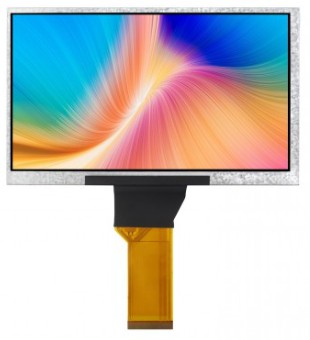
Automotive systems have become one of the most demanding application areas for TFT LCD Display modules. Japanese manufacturers supply displays for:- Instrument clusters and digital dashboards- Center information displays and navigation units- Climate control interfaces- Rear‑seat entertainment and secondary displaysIn these applications, TFT LCD Display modules must tolerate wide temperature ranges, repeated thermal cycling, high vibration, and potential ESD exposure. They must also meet strict automotive standards for lifetime, failure rates, and optical performance.Japanese suppliers have built strong reputations in automotive TFT LCD Display design, combining their core panel technology with dedicated automotive qualification processes. For car brands and Tier‑1 suppliers, this reduces risk and supports long model lifetimes.
In factory automation, TFT LCD Display modules are the primary human‑machine interface on many machines and systems. Japanese industrial displays are widely used in PLC panels, operator terminals, robotics controllers, and SCADA consoles.Key requirements in these environments include:- Resistance to dust, humidity, and vibration- Wide operating temperature ranges- Good readability under varied lighting conditions- Long‑term availability with controlled change managementJapanese TFT LCD Display makers such as Kyocera and associated solution providers often supply modules that are sealed, bonded, or otherwise hardened to withstand real‑world factory conditions. This is particularly important for OEMs that ship equipment worldwide and must ensure consistent performance in different climates.
Medical devices and lab instruments rely heavily on TFT LCD Display modules that deliver high clarity, accurate color, and stable brightness over many years. Japanese TFT LCD Display suppliers support this market with panels designed for:- Diagnostic analyzers and blood testing systems- Patient monitoring and bedside terminals- Imaging workstation monitors- Specialized laboratory instrumentsIn these applications, the TFT LCD Display must also meet regulatory and safety expectations, including electromagnetic compatibility and cleaning/disinfection requirements. Japanese manufacturers are used to working with medical customers who require extensive documentation, traceability, and risk management around components such as TFT LCD Display modules.
Transportation systems—railway stations, airports, bus terminals, and onboard vehicles—use TFT LCD Display modules for passenger information, ticketing, and advertising. Japanese display brands and integrators provide solutions that emphasize:- High brightness and wide viewing angles- Robust housings and protection against vandalism- 24/7 reliability in demanding environmentsThese TFT LCD Display systems often appear as large signage panels, video walls, or integrated operator screens in trains and control rooms. The combination of reliable Japanese electronics and robust mechanical design makes them well suited to critical infrastructure projects.
Selecting the right Japanese TFT LCD Display manufacturer or supplier involves a combination of technical and commercial factors. For B2B buyers, the process usually includes the following steps.
Before contacting suppliers, clearly define your TFT LCD Display requirements:- Diagonal size, aspect ratio, and resolution- Interface (RGB, LVDS, eDP, MIPI, HDMI, etc.)- Brightness, contrast ratio, and viewing angle technology- Operating and storage temperature range- Touch requirements (capacitive, resistive, or none)- Mechanical constraints (thickness, bezel size, mounting points)The more detailed and realistic your specification, the easier it becomes to filter suitable Japanese TFT LCD Display options and avoid multiple rounds of back‑and‑forth.
Industrial and automotive buyers care deeply about lifecycle. Ask potential Japanese TFT LCD Display suppliers about:- Planned product lifetime and typical EOL notice periods- Second‑source or drop‑in replacement strategies- Historical stability of similar TFT LCD Display linesJapanese suppliers often provide longer and more predictable lifecycles than purely consumer‑focused vendors, but each project still needs explicit confirmation.
Request detailed data sheets and, where possible, test samples to assess the TFT LCD Display performance in your actual use environment. Points to check include:- Readability in direct sunlight or high‑ambient light- Color consistency between units and over time- Behavior across the full operating temperature range- Response time and motion blur if your UI involves animation or videoFor outdoor or field devices, consider whether a standard transmissive TFT LCD Display is sufficient or whether you need something like a high‑brightness or Blanview‑type display.
Even though your final article does not embed image links, in real projects multimedia is a practical tool when choosing TFT LCD Display modules:- Request close‑up photos of the TFT LCD Display showing text, icons, and gradients- Ask for short video clips demonstrating UI transitions, touch responsiveness, and behavior under different lighting angles- Capture your own photos and videos when testing samples, then review them with your team for side‑by‑side comparisonThis visual evidence helps non‑technical stakeholders understand the trade‑offs between various TFT LCD Display options more quickly than raw technical data alone.
Finally, align on commercial and support aspects with your chosen Japanese TFT LCD Display partner:- Minimum order quantities and price breaks- Lead times and logistics arrangements- Warranty terms and DOA/field failure handling- Engineering support for integration issues- Possibility of customization or long‑term framework agreementsFor long‑lifecycle industrial and automotive projects, consider building a structured partnership with the TFT LCD Display supplier, including forecast sharing and periodic technical roadmap reviews.
To better visualize how different companies typically position their TFT LCD Display offerings, here is a simplified view that you can describe in text or convert into your own graphic if needed:- Japan Display Inc.: strong in small and mid‑size mobile and automotive TFT LCD Display panels with advanced resolutions and low power features.- Sharp: wide range from TVs to professional TFT LCD Display monitors and signage with high brightness and color performance.- Kyocera: industrial and automotive TFT LCD Display modules with rugged design, wide temperature range, and long lifecycles.- NEC‑related brands: professional TFT LCD Display monitors and signage for control rooms, enterprises, and broadcasting.- TOPPAN: specialty TFT LCD Display technologies such as Blanview for outdoor readability and reduced power consumption.- Solution providers and trading houses: integrated TFT LCD Display modules and tailored solutions combining panels, touch, controllers, and mechanics.This overview is not an exhaustive ranking, but it illustrates how different Japanese TFT LCD Display resources can be combined in a multi‑supplier sourcing strategy.
Japanese TFT LCD Display manufacturers and suppliers continue to set important benchmarks in reliability, optical performance, and lifecycle management, especially in demanding sectors such as automotive, industrial, medical, and transportation. By understanding the strengths of individual companies—such as JDI's high‑resolution mobile panels, Sharp's bright signage displays, Kyocera's rugged industrial modules, NEC's professional monitors, and TOPPAN's Blanview low‑power technology—buyers can map their requirements to the most suitable partners.For OEMs and system integrators, the key is to combine a clear technical specification with careful evaluation of lifecycle policies, environmental performance, and support structure. Working with Japanese TFT LCD Display solution providers, integrators, and trading companies can further simplify this process, turning complex display requirements into reliable, long‑term front‑end solutions. With the right partners, a well‑chosen Japanese TFT LCD Display becomes a stable, high‑value core component of your product line for many years.
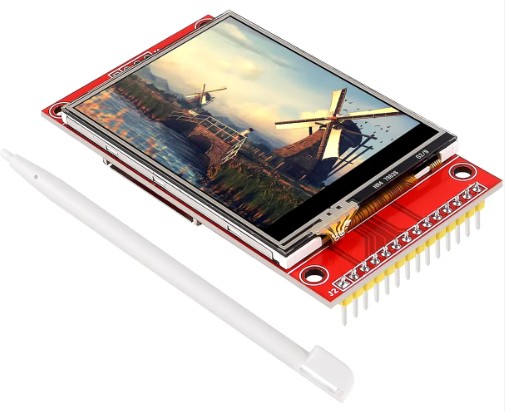
Industrial OEMs often prefer Japanese TFT LCD Display suppliers because they combine strong engineering, strict quality systems, and relatively long product lifecycles. This reduces the risk of sudden model discontinuations and helps maintain consistent performance across many years of field operation.
Japanese TFT LCD Displays are not always the most expensive option, but they usually position toward the higher‑quality end of the market. While unit prices may be higher than some low‑cost alternatives, the total cost of ownership can be lower due to longer lifetimes, fewer field failures, and reduced redesign frequency.
Smaller buyers often work through authorized distributors, trading companies, or engineering houses rather than directly with panel fabs. These intermediaries can offer smaller minimum order quantities, localized support, and multi‑brand TFT LCD Display portfolios, making it easier to find a suitable module without large initial commitments.
When receiving TFT LCD Display samples, test basic compatibility (interface and timing), optical quality, and environmental performance. Check whether the display works with your intended controller, evaluate readability under your actual lighting conditions, and, if possible, run quick thermal tests to see how the TFT LCD Display behaves under higher and lower temperatures.
Many Japanese TFT LCD Display suppliers and solution providers can support semi‑custom or fully custom designs, such as unique sizes, special cover glass, unusual aspect ratios, or bespoke interfaces. However, custom TFT LCD Display projects typically require higher minimum volumes, longer development times, and close technical cooperation between both sides.