
Views: 222 Author: Wendy Publish Time: 2025-12-12 Origin: Site


Content Menu
● Major TFT LCD Display Manufacturers in South Korea
>> LG Display
>> Medium‑Sized and Niche TFT LCD Display Suppliers
● Key Applications for South Korean TFT LCD Display Products
>> Consumer Electronics and IT Devices
>> Automotive and Transportation Displays
>> Industrial and Automation TFT LCD Display Solutions
>> Marine, Defense, and Harsh‑Environment Applications
>> Medical and Laboratory Equipment
● Core Technical Features of Modern TFT LCD Display Modules
>> Panel Size, Resolution, and Aspect Ratio
>> Interface Types and System Integration
>> Brightness, Contrast, and Viewing Angle
>> Environmental and Reliability Performance
● How to Select the Right South Korean TFT LCD Display Supplier
>> Step 1: Define Application Requirements
>> Step 2: Identify Suitable Manufacturers or Integrators
>> Step 3: Evaluate Technical and Commercial Offers
>> Step 4: Prototype, Test, and Qualify
● Trends Shaping the Future of TFT LCD Display in South Korea
>> Higher Integration and Smarter Displays
>> Hybrid Strategies with OLED and Other Technologies
>> Focus on Energy Efficiency and Sustainability
● Importance of Professional TFT LCD Display Integration
● How Overseas Buyers Typically Work with South Korean TFT LCD Display Partners
● FAQ
>> 1. Why are South Korean TFT LCD Display manufacturers considered reliable?
>> 2. Can I order custom‑sized TFT LCD Display modules from South Korea?
>> 3. What information should I prepare before contacting a TFT LCD Display supplier?
>> 4. How do South Korean TFT LCD Display products compare to OLED?
>> 5. Are South Korean TFT LCD Display modules suitable for outdoor use?
South Korea's display industry grew out of its strong semiconductor and memory sectors, where expertise in photolithography, cleanroom management, and large‑scale production naturally extended into TFT LCD Display manufacturers and suppliers. Major conglomerates invested heavily in fabrication plants, equipment, and R&D, creating a complete ecosystem around flat‑panel display technology.Even as OLED and mini‑LED gain attention, TFT LCD Display products remain the backbone of many applications because they balance cost, performance, and lifetime. In sectors such as automotive, industrial automation, transport, and public information systems, the maturity and reliability of TFT LCD Display modules are often more important than having the latest emerging display type.
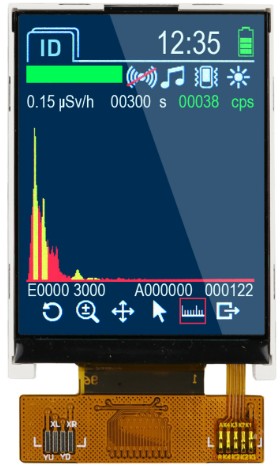
Samsung Display is one of the largest and most recognizable display manufacturers worldwide, and it played a central role in scaling TFT LCD Display production for TVs, monitors, notebooks, and mobile devices. Its fabs have produced millions of panels across a wide range of sizes, from compact mobile TFT LCD Display modules to ultra‑large TV displays.While Samsung is a pioneer in OLED and other advanced technologies, TFT LCD Display remains an essential part of its portfolio, especially in markets where cost‑effectiveness, long lifetime, and wide availability are crucial. Buyers typically access Samsung TFT LCD Display panels through global distributors, value‑added resellers, and system integrators who combine the panels with driver boards, housings, and touch solutions.Samsung Display's TFT LCD Display panels are known for:- Stable performance and consistent color reproduction across batches- Broad size and resolution coverage, from HD to 4K and beyond- Strong ecosystem support from design tools, datasheets, and reference designsFor OEMs, this combination makes Samsung an attractive source for long‑term programs where panel continuity and technical documentation are essential.
LG Display is another global powerhouse from South Korea with a long history in TFT LCD Display technology. It specializes in large‑format panels for TVs, public signage, and commercial information screens, but it also manufactures TFT LCD Display products for IT devices such as monitors and laptop computers.In the TFT LCD Display segment, LG Display emphasizes:- Large‑size panels optimized for high brightness and wide viewing angles- Energy‑efficient backlight designs for applications that require long operating hours- Stable supply programs that support lengthy product lifecyclesFor buyers in digital signage, hospitality, transportation hubs, and corporate communication, LG Display's TFT LCD Display panels provide a good balance between price, durability, and picture quality. Engineering teams can source these panels through dedicated distributor networks and often find them pre‑integrated into finished display systems and all‑in‑one monitors.
Tetradyne is a specialized South Korean manufacturer that focuses on complete TFT LCD Display monitors and panel PCs rather than just bare cells. Its products are frequently used in marine, industrial, and defense environments where reliability and ruggedization are mandatory.Key characteristics of Tetradyne's TFT LCD Display solutions include:- Rugged enclosures designed for vibration, shock, and harsh climates- High‑brightness TFT LCD Display monitors suitable for outdoor or ship‑bridge applications- Panel PCs that combine TFT LCD Display panels with embedded computing and touch inputBecause Tetradyne delivers finished systems, it is a strong candidate for buyers who want turnkey display solutions with minimal in‑house integration. System integrators in maritime navigation, port operations, military control rooms, and heavy industry often look to such suppliers to shorten development cycles and reduce integration risk.
Beyond the global names, South Korea also hosts a wide array of medium‑sized display specialists. These companies often focus on custom or semi‑custom TFT LCD Display modules and are very flexible in engineering projects for overseas clients.Typical capabilities among these niche suppliers include:- Custom TFT LCD Display sizes, aspect ratios, and resolutions for special equipment- Integration of touch panels (resistive or capacitive), cover glass, and optical bonding- Support for extended temperature ranges and special coatings (anti‑glare, anti‑reflection)Such suppliers are frequently discovered through industrial directories, trade platforms, and exhibition lists. For customers who need tailored TFT LCD Display modules rather than standard catalog panels, these Korean companies can provide the right combination of engineering expertise and reasonable minimum order quantities.
South Korean TFT LCD Display technology first became famous in the TV and PC monitor markets. Large‑screen televisions, desktop monitors, and notebook panels produced in South Korea are widely used around the globe. Even as new technologies appear, TFT LCD Display remains common thanks to:- Competitive manufacturing cost at high volumes- Adequate contrast and color range for mainstream entertainment and office work- Established design references and long experience among device manufacturersManufacturers of branded TVs, gaming monitors, and laptops often rely on South Korean TFT LCD Display panels to ensure consistent user experience and product reliability.
The rise of digital cockpits, instrument clusters, and center stack displays has significantly increased demand for automotive‑grade TFT LCD Display modules. South Korean panel makers and module integrators supply:- High‑brightness TFT LCD Display panels readable in direct sunlight- Wide‑temperature and high‑reliability designs that tolerate automotive conditions- Curved or specially shaped TFT LCD Display modules tailored to dashboard layoutsThese displays power infotainment systems, digital instrument clusters, rear‑seat entertainment, and advanced driver assistance interfaces. Because safety and durability are vital in automotive design, the maturity of South Korean TFT LCD Display processes contributes directly to vehicle reliability.
Industrial HMIs, PLC operator panels, and factory control terminals depend heavily on TFT LCD Display technology. South Korean suppliers support this sector with:- TFT LCD Display modules and monitors that operate for long hours with low failure rates- High IP‑rated housings for dust and water resistance when needed- Options for glove‑friendly touch input and robust front glassThese industrial TFT LCD Display solutions are widely used in process plants, packaging lines, CNC machines, and energy management systems. For integrators, combining a reliable TFT LCD Display with a protected enclosure and an embedded controller creates a long‑life HMI platform.
Marine navigation consoles, radar displays, and command‑and‑control systems often specify South Korean TFT LCD Display monitors from specialized industrial suppliers. The reasons include:- Emphasis on sunlight readability on ship bridges and open decks- Compliance with marine and defense standards for vibration, EMC, and environmental stress- Long‑term availability programs to support equipment lifetimes measured in decadesIn these segments, TFT LCD Display is often preferred over more fragile technologies, and South Korean manufacturers' experience with ruggedized enclosures and industrial standards becomes a decisive advantage.
Medical imaging systems, diagnostic analyzers, and patient monitoring devices increasingly use TFT LCD Display interfaces to present data clearly and interactively. South Korean manufacturers provide:- High‑resolution TFT LCD Display modules with precise color and grayscale performance- Panels that integrate capacitive touch for intuitive operation in cleanroom conditions- Reliable production with strict quality control compatible with medical device regulationsBecause medical and lab devices require long product lifecycles, stable TFT LCD Display supply and consistent performance over many years are critical selection criteria.
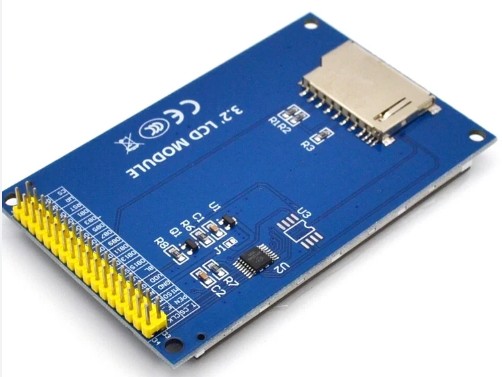
One of the first choices for any project is the basic geometry of the TFT LCD Display. South Korean suppliers offer:- Sizes ranging from small 2‑inch TFT LCD Display modules for handheld equipment up to over 80‑inch panels for TV and signage- Resolutions from simple WVGA and HD to Full HD, 4K, and specialty resolutions for industrial and medical imaging- Aspect ratios including 4:3, 16:9, 16:10, ultra‑wide, and custom formatsThis flexibility allows designers to choose exactly the right TFT LCD Display configuration for the intended user interface and viewing distance.
Modern TFT LCD Display modules from South Korea support a variety of interface standards, allowing easy connection to controllers and processors:- LVDS and eDP for notebook and industrial displays- MIPI DSI for mobile and compact TFT LCD Display modules- HDMI, DisplayPort, and legacy interfaces for monitors and embedded systemsSystem integrators select the interface based on required bandwidth, cabling constraints, and compatibility with their chosen CPU or GPU. South Korean manufacturers and distributors usually provide reference schematics, timing diagrams, and sample firmware to simplify the integration of TFT LCD Display modules into new designs.
For many applications, the way a TFT LCD Display behaves in real‑world environments is more important than its raw resolution. South Korean TFT LCD Display suppliers fine‑tune:- Backlight brightness, often offering variants above 1,000 nits for outdoor or high‑ambient‑light use- Contrast ratios that maintain image clarity for video and graphical user interfaces- Wide viewing angles, often employing advanced liquid crystal modes and optical filmsThese characteristics determine whether operators can comfortably read the TFT LCD Display under changing light conditions or from off‑axis positions, which is essential in automotive, industrial, and marine applications.
Another vital aspect of TFT LCD Display selection is how the panel behaves over time and under stress. South Korean manufacturers commonly design panels to:- Operate across extended temperature ranges for outdoor, in‑vehicle, and factory environments- Withstand mechanical vibrations and shocks when mounted on vehicles or heavy machines- Maintain stable backlight output over many thousands of operating hoursEngineers often evaluate TFT LCD Display reliability data such as mean time between failures, thermal cycling results, and humidity tests when choosing a supplier.
Before contacting potential partners, buyers should clearly define their TFT LCD Display requirements:- Target size, resolution, and aspect ratio- Interface type and signal timing limits of the host system- Environmental conditions such as temperature range, humidity, and vibrationHaving these details ready simplifies communication with South Korean TFT LCD Display manufacturers and ensures faster quotation and design feedback.
With requirements defined, buyers can then:- Shortlist large panel manufacturers for high‑volume standard TFT LCD Display needs- Consider specialized Korean integrators when requiring rugged monitors, panel PCs, or custom modules- Use industry directories and exhibitions to identify medium‑sized companies that focus on flexible engineering supportThis structured approach helps match project size and complexity with the right type of South Korean TFT LCD Display partner.
When quotes arrive, it is important to assess both technical and business factors:- Compliance of the proposed TFT LCD Display solution with all specifications and standards- Total cost including panel price, tooling for custom versions, and logistics- Lead times, minimum order quantities, and stock strategies for long‑term projectsClose cooperation between engineering, purchasing, and logistics teams ensures that the chosen TFT LCD Display supplier can meet both design goals and commercial constraints.
The next step is to build prototypes and test the TFT LCD Display in real conditions:- Check readability, touch performance, and user interface behavior in the intended environment- Conduct temperature, vibration, and EMC tests where relevant- Validate that the South Korean TFT LCD Display supplier can deliver consistent quality across batchesSuccessful qualification leads to design freeze and volume production, at which point strong communication with the supplier's support team helps manage any continuous improvements or minor revisions.
A growing trend is the integration of more functions directly into TFT LCD Display modules. Instead of supplying only the panel, South Korean manufacturers and partners increasingly deliver:- Smart TFT LCD Display modules with onboard controllers, memory, and simple graphics engines- Complete HMI solutions that integrate touch, processor, storage, and interfaces into a single unit- Pre‑certified systems that reduce certification and design effort for the final equipment makerThis trend shortens time‑to‑market and simplifies engineering for customers.
While TFT LCD Display remains dominant in many areas, South Korean companies are also leaders in OLED and other advanced display formats. Rather than competing directly, many product lines use a hybrid strategy:- TFT LCD Display for cost‑sensitive, high‑volume, or long‑lifetime applications- OLED for premium consumer devices and applications that benefit from deep blacks and thin form factorsFor buyers, this diversity means that South Korean suppliers can propose the most appropriate technology, but TFT LCD Display frequently remains the most practical choice for industrial and professional markets.
Another major development is the push toward more energy‑efficient and sustainable TFT LCD Display production. Manufacturers are:- Optimizing backlight systems and driving schemes to reduce power consumption- Improving material utilization and recycling processes in display fabs- Working with customers to design TFT LCD Display products that meet modern energy regulationsLower power TFT LCD Display modules are especially important for battery‑powered devices, outdoor signage, and any equipment subject to strict energy‑efficiency rules.
Sourcing the TFT LCD Display panel is only one part of the overall solution. To achieve reliable performance, integrators must carefully consider:- Mechanical design: mounting, sealing, and protection of the TFT LCD Display- Thermal management: heat dissipation from backlights and driving electronics- EMC and ESD: ensuring the TFT LCD Display system meets regulatory and safety requirementsMany South Korean companies, particularly those specializing in industrial and rugged displays, provide strong application engineering support to guide customers through these integration challenges.
International customers usually follow one of these models:- Direct OEM partnership with a large panel maker for high‑volume products- Collaboration with a Korean module integrator who adapts a base TFT LCD Display panel to the project- Procurement through global distributors that stock Korean TFT LCD Display panels and provide flexible logisticsCommunication is often supported by English‑speaking sales and engineering teams, and many companies participate in international trade fairs, making initial contact straightforward.
South Korea remains a key global center for TFT LCD Display technology, combining decades of process experience with world‑class production capacity. From global giants that manufacture large‑volume TV and IT panels to specialized firms that build rugged monitors and custom modules, South Korean suppliers can support almost every application that depends on high‑quality TFT LCD Display products.For international buyers, partnering with South Korean TFT LCD Display manufacturers offers access to stable quality, advanced engineering, and well‑organized export support. By clearly defining technical requirements, carefully selecting suppliers, and conducting thorough qualification tests, OEMs and integrators can build long‑term, reliable solutions around South Korean TFT LCD Display technology.
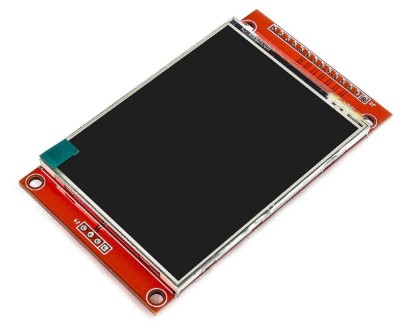
South Korean TFT LCD Display manufacturers have invested heavily in advanced fabrication facilities, process control, and quality systems. Their long history in semiconductors and displays allows them to deliver consistent panel performance, high yields, and robust long‑term supply for global customers.
Yes. Many South Korean suppliers, especially medium‑sized and niche companies, specialize in custom or semi‑custom TFT LCD Display modules. They can adjust factors such as size, resolution, interface, touch integration, and housing design to match specific project needs, provided that minimum order quantities are met.
Before reaching out, prepare key parameters such as panel size, resolution, brightness, interface type, operating temperature range, and any mechanical constraints. Providing this information up front helps South Korean TFT LCD Display suppliers quickly evaluate feasibility, propose suitable products, and estimate pricing and lead times.
TFT LCD Display technology generally offers better cost‑performance for many industrial, automotive, and commercial applications, and it is less susceptible to image burn‑in than OLED. While OLED can deliver deeper blacks and thinner designs, TFT LCD Display remains the preferred choice when long lifetime, stable supply, and lower cost are more important than ultimate contrast.
Many South Korean manufacturers offer high‑brightness TFT LCD Display modules and rugged monitors specifically designed for outdoor or high‑ambient‑light environments. By using enhanced backlights, anti‑glare or anti‑reflection treatments, and robust enclosures, these products can maintain readability and durability in challenging outdoor conditions.