
Views: 222 Author: Wendy Publish Time: 2026-01-03 Origin: Site


Content Menu
● Russia's TFT LCD Market Landscape
● Types of TFT LCD Companies Active in Russia
● Representative TFT LCD Distributors and Integrators
● International TFT LCD Manufacturers Supplying the Russian Market
● Key TFT LCD Applications in Russia
● Technical Criteria for Selecting TFT LCD Solutions
● Typical TFT LCD Project Workflow in Russia
● Environmental Challenges for TFT LCD in Russia
● Sourcing Strategy for Overseas TFT LCD Buyers Serving Russia
● Best Practices for Designing TFT LCD Systems for Russian Projects
● FAQ
>> What kinds of TFT LCD companies operate in Russia?
>> How do Russian TFT LCD distributors work with international manufacturers?
>> What should buyers consider when selecting TFT LCD solutions for Russian projects?
>> Which industries in Russia rely most on TFT LCD technology?
>> How can overseas OEMs build successful TFT LCD projects in Russia?
Russia's TFT LCD market is shaped by professional AV distributors, digital signage integrators, and embedded electronics companies that combine imported TFT LCD panels with local engineering and after‑sales service. For overseas OEMs and project contractors, understanding how these TFT LCD manufacturers and suppliers operate in Russia is essential to planning reliable display projects for transport, retail, industrial, and public‑sector applications.

Russia does not host large TFT LCD glass fabrication plants, so most TFT LCD panels and modules are imported from Asia and Europe and then integrated, branded, and serviced by local AV and electronics companies. These TFT LCD partners focus on value‑added services such as system design, software integration, installation, and long‑term maintenance for digital signage, control rooms, retail, and transportation hubs.
The country's vast geography makes logistics and technical support critical, so the strongest TFT LCD suppliers build dense dealer networks and regional service centers that can support national roll‑outs. As sanctions and component restrictions have evolved, many Russian integrators have diversified their TFT LCD sourcing to include more Chinese TFT LCD manufacturers and flexible module suppliers able to customize sizes, brightness, and interfaces.
The TFT LCD value chain in Russia is built around several main categories of companies that work together on projects.
- AV/IT distributors that import TFT LCD panels, large‑format TFT LCD displays, LED walls, and control electronics from global brands and distribute them nationwide.
- Digital signage integrators that design and deploy complete TFT LCD signage networks in shopping malls, metro stations, airports, and corporate environments, including content management and remote monitoring platforms.
- Embedded and industrial solution providers that select industrial‑grade TFT LCD modules, touch screens, and controllers for kiosks, HMIs, ATMs, ticketing machines, medical devices, and machine‑building applications.
- Online and catalog TFT LCD sellers that offer a wide range of small and mid‑size TFT LCD modules via e‑commerce, serving engineers and small workshops across Russia and CIS countries.
For foreign TFT LCD manufacturers in China or Europe, these partner types are the main channels to enter the Russian market, especially for complex projects requiring local certification, Russian‑language interfaces, and on‑site support.
Below is an overview of representative TFT LCD‑related companies active in Russia, focusing on their roles and typical TFT LCD applications.
- Auvix: A large professional AV/IT distributor that supplies TFT LCD displays, video walls, and control‑room screens to thousands of partner companies throughout Russia.
- Digis (Digital Systems): A pro AV distributor and solutions provider that offers TFT LCD panels for conference rooms, education, and signage, supporting professional and residential projects.
- SNK‑S: A ProAV distributor and B2B platform with a broad online catalog that includes multiple TFT LCD display types as part of a portfolio of many thousands of items.
- AV‑oriented manufacturers and project companies: Firms that provide complete advertising display systems, such as metro or subway station TFT LCD signage, often delivering turnkey TFT LCD installation and content playback solutions.
- Electronic component suppliers and catalog houses: Companies that supply small and medium TFT LCD display modules to industrial customers, design houses, and repair shops, shipping to all regions of Russia and CIS countries.
These organizations often source TFT LCD modules from Asian TFT LCD manufacturers and then adapt them to local needs with custom housings, mounts, enclosures, and software integration.
Even though this article focuses on Russia, most TFT LCD glass and many industrial modules come from international TFT LCD producers, especially in Asia. Numerous Chinese and global TFT LCD manufacturers specialize in modules and cooperate with overseas distributors and integrators, including partners who serve Russian projects.
Key advantages of working with international TFT LCD manufacturers for Russian deployments include:
- Access to a broad TFT LCD portfolio covering diagonal sizes from sub‑1‑inch micro TFT LCD modules up to large‑format TFT LCD signage screens, with different resolutions, brightness levels, and operating temperature ranges.
- Customization options for TFT LCD projects, including interface choices (RGB, LVDS, MIPI, eDP, HDMI), touch integration, high‑brightness outdoor TFT LCD modules, and wide‑temperature industrial TFT LCD displays.
- Scalability and stable supply for long‑term industrial and public‑sector TFT LCD projects, supported by experience in OEM/ODM cooperation with global buyers and structured lifecycle management.
In most cases, Russian partners handle import, localization, warranty, and after‑sales service, while core TFT LCD engineering and production are handled by these specialized display factories.
TFT LCD technology is widely deployed in Russia wherever clear, reliable visualization is needed.
- Transportation: TFT LCD passenger information systems in metro stations, buses, trains, airports, and highway rest areas, often integrated into synchronized digital signage networks.
- Retail and malls: TFT LCD advertising displays, menu boards, interactive kiosks, and shelf‑edge displays that show dynamic pricing and promotion content.
- Industrial automation and energy: HMI panels and control interfaces using rugged TFT LCD modules with extended temperature ranges and high brightness for factory floors, power plants, and utility infrastructure.
- Public sector, healthcare, and education: TFT LCD information boards in government buildings, hospitals, and universities, as well as large TFT LCD displays in conference and lecture halls.
Each of these sectors has different requirements for TFT LCD size, brightness, resolution, interface, and durability, so careful specification is needed at the design stage.
When selecting TFT LCD solutions for Russia, technical and environmental criteria play a major role.
- Operating temperature and robustness: Outdoor and semi‑outdoor TFT LCD installations may be exposed to severe winter temperatures and large thermal cycles, making wide‑temperature TFT LCD modules and robust construction vital.
- Brightness, contrast, and readability: TFT LCD signage facing direct or indirect sunlight must offer high brightness, anti‑glare treatments, and appropriate contrast to remain readable, especially at transport hubs and street‑level locations.
- Lifetime and backlight reliability: Many TFT LCD networks run 16–24 hours per day, so LED backlights and panel designs rated for long operating lifetimes reduce maintenance costs and downtime.
- Interface and system compatibility: TFT LCD modules must connect to existing media players, industrial PCs, or embedded controllers, so interface types and timing parameters must match system requirements.
- Touch and interaction: Where interactivity is required, the TFT LCD must be paired with a suitable touch solution (resistive, capacitive, IR, or optical) that works reliably in the installation environment.
Early collaboration between the TFT LCD manufacturer, the Russian integrator, and the end‑user helps ensure these parameters are understood and validated by prototypes.
Most mid‑ to large‑scale TFT LCD projects in Russia follow a structured workflow that includes both international and local partners.
- Requirements definition: The project owner or OEM defines application scenarios, desired TFT LCD sizes, target resolutions, brightness, environmental constraints, and any local standards or certification needs.
- Partner and TFT LCD selection: Integrators and distributors shortlist suitable TFT LCD modules and complete display solutions from global manufacturers, balancing performance, budget, lead time, and lifecycle expectations.
- Prototyping and pilot installations: Prototype units integrating the selected TFT LCD modules are built and installed in representative locations to test readability, reliability, thermal behavior, and software integration.
- Mass deployment and rollout: Once the solution is validated, the project scales up, with Russian AV distributors coordinating logistics, installation, and training while TFT LCD manufacturers maintain continuity of supply.
- Operation, monitoring, and maintenance: Over the project lifetime, TFT LCD networks are monitored for faults, and failed units are replaced or serviced through local service organizations that hold spare TFT LCD stock.
This process reduces risk and supports long‑term stability for TFT LCD‑based systems.
Environmental conditions in Russia can be demanding, so TFT LCD systems must be designed with appropriate protections.
- Climate and enclosures: Outdoor TFT LCD displays typically require sealed, heated, or climate‑controlled enclosures to protect TFT LCD panels from snow, ice, condensation, and dust.
- Vandal resistance and mechanical security: Public TFT LCD signage and information displays must withstand vandalism and accidental impacts, so protective glass, metal housing, and secure mounting systems are common.
- Power quality: Voltage fluctuations and unstable power supplies in some regions necessitate surge protection and conditioning to safeguard TFT LCD electronics.
- Service accessibility: Given the distances involved, TFT LCD installations need designs that make access and module replacement straightforward for local technicians.
By combining robust TFT LCD hardware with these environmental measures, Russian projects can maintain acceptable uptime and visual quality.
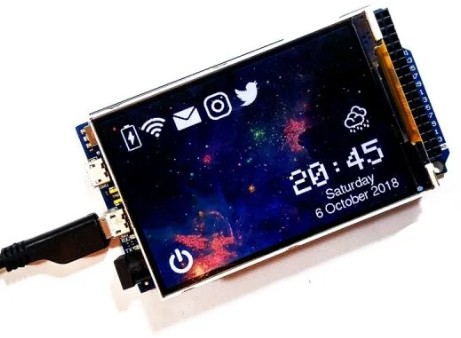
Several typical scenarios show how TFT LCD technology is used across Russia.
- Metro advertising network: A metropolitan transport operator deploys large‑format TFT LCD advertising displays along subway platforms, selecting high‑brightness TFT LCD panels and durable housings, while an AV integrator manages content and remote monitoring.
- Nationwide retail signage: A retail chain implements TFT LCD menu boards and promotional displays across hundreds of locations, relying on a national AV distributor for TFT LCD procurement, logistics, and field service.
- Industrial equipment HMI: A machine builder integrates mid‑size industrial TFT LCD modules into operator panels for production lines, collaborating with international TFT LCD manufacturers and local electronics distributors for long‑term module support.
- Education and conference systems: Universities and training centers install TFT LCD teaching screens and collaboration displays using standardized TFT LCD models that simplify maintenance across multiple campuses.
These examples highlight how carefully chosen TFT LCD solutions, combined with capable partners, can meet the needs of very different Russian projects.
Overseas companies that plan to supply TFT LCD‑based equipment or complete systems into Russia should adopt a strategic approach to sourcing and partnerships.
- Work with TFT LCD manufacturers that have strong experience in OEM/ODM projects, offer detailed documentation, and understand long‑term lifecycle management.
- Establish relationships with well‑established Russian AV distributors and integrators that can navigate local regulations, logistics, and service expectations for TFT LCD deployments.
- Validate that TFT LCD modules used in the design are either long‑life industrial products or have defined second‑source options to mitigate obsolescence risks.
- Confirm that pricing structures for TFT LCD systems account for customs, transport, service, and potential currency fluctuations.
- Align marketing and technical communication with Russian language requirements so that TFT LCD product specifications and manuals are easily understood by local engineers and technicians.
With these steps, overseas TFT LCD manufacturers and solution providers can better support Russian customers and ensure project continuity.
Beyond choosing partners, technical best practices help ensure TFT LCD systems perform reliably in Russia.
- Over‑specify temperature and brightness where possible to create a safety margin for TFT LCD performance under extreme conditions.
- Use conformal coating, sealed connectors, and appropriate cabling to protect TFT LCD electronics in dusty or humid environments.
- Design modular enclosures so that TFT LCD modules can be replaced independently of other electronics, reducing downtime and repair costs.
- Implement remote monitoring functions for large TFT LCD networks so integrators can detect faults and plan maintenance before failures impact users.
- Consider future content requirements, ensuring that TFT LCD resolutions and aspect ratios will remain suitable as media formats evolve.
These design choices allow TFT LCD installations to operate longer with fewer disruptions and lower total cost of ownership.
Russia's TFT LCD market is driven by a network of AV distributors, digital signage integrators, and embedded electronics providers that rely heavily on imported TFT LCD modules from specialized international manufacturers. For OEMs and project owners, success in Russian TFT LCD deployments depends on choosing reliable TFT LCD panel partners, working with experienced local integrators, and designing systems that can withstand harsh environmental conditions and extended operating hours.
By understanding the categories of TFT LCD companies in Russia, key technical selection criteria, environmental challenges, and typical project workflows, buyers can reduce risk and secure long‑term TFT LCD performance across transportation, retail, industrial, and public‑sector projects. Combining the strengths of global TFT LCD manufacturers with localized Russian engineering ensures that TFT LCD‑based systems deliver sharp visuals, high reliability, and sustainable total cost of ownership throughout their lifecycle.
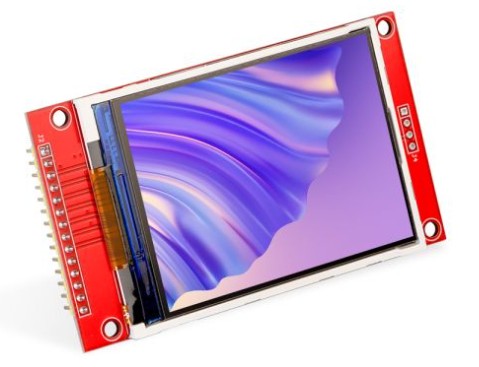
Russia mainly hosts AV distributors, digital signage integrators, and embedded solution providers rather than TFT LCD glass manufacturing plants. These TFT LCD companies focus on importing panels, integrating them into complete systems, and handling installation, content, and after‑sales service.
Russian distributors and integrators source TFT LCD modules from international manufacturers, negotiate technical specifications and pricing, and manage import and logistics across the country. International TFT LCD manufacturers provide the core display technology, while Russian partners adapt it through enclosures, mounting systems, localization, and on‑site support.
Buyers should prioritize TFT LCD operating temperature range, brightness, backlight lifetime, and interface compatibility to match Russian climate and application requirements. They should also evaluate supplier experience, service networks, and lifecycle support for TFT LCD modules to avoid unexpected redesigns or supply issues.
The main industries using TFT LCD technology in Russia are transportation, retail, industrial automation, public sector, healthcare, and education. Typical TFT LCD applications include metro and airport information displays, retail digital signage, industrial HMI panels, and conference or classroom displays.
Overseas OEMs should partner with experienced TFT LCD manufacturers that support OEM/ODM cooperation and then connect with strong Russian AV distributors and integrators. By aligning TFT LCD specifications, logistics, and long‑term support responsibilities early, they can deliver scalable, durable TFT LCD solutions adapted to Russian market conditions.