
Views: 222 Author: Wendy Publish Time: 2026-01-05 Origin: Site


Content Menu
● Overview of South Korea's TFT LCD industry
● Leading Korean TFT LCD manufacturers
>> LG Display
>> Other Korean TFT LCD panel producers
● Key Korean TFT LCD suppliers and distributors
>> KDP and LG‑origin TFT LCD distribution
>> Custom LCD and TFT LCD module suppliers
>> Interface and system‑level display companies
● TFT LCD component and material ecosystem in South Korea
● Typical applications of Korean TFT LCD solutions
● How overseas buyers typically source Korean TFT LCD
● Selection tips for buyers of Korean TFT LCD solutions
● Combining Korean TFT LCD panels with global integration
● FAQ
>> 1. What makes Korean TFT LCD manufacturers attractive for global buyers?
>> 2. Are Samsung Display and LG Display still important for TFT LCD panels?
>> 3. How do distributors and solution companies support TFT LCD sourcing in South Korea?
>> 4. Which industries most commonly use Korean TFT LCD panels?
>> 5. What should buyers check before selecting a Korean TFT LCD supplier?
South Korea is one of the world's strongest bases for TFT LCD technology, supplying panels for TVs, monitors, laptops, smartphones, vehicles, and industrial equipment. South Korean TFT LCD manufacturers and suppliers combine advanced R&D, mass‑production capacity, and stable long‑term supply, which makes them attractive to buyers in Europe, North America, and Asia.

South Korea became a global hub for TFT LCD production through major groups such as Samsung Display and LG Display, which led the shift from CRT and plasma to slim LCD and OLED screens. At the same time, a network of Korean distributors, integrators, and component makers supports TFT LCD modules, backlights, optical films, and interface solutions for many application markets.
- Large Korean TFT LCD factories focus on high‑volume, high‑value panels for TV, IT, and automotive applications.
- Local partners around these fabs offer customized TFT LCD modules, controller boards, metalwork, and housings for industrial and commercial projects.
A TFT LCD (Thin Film Transistor Liquid Crystal Display) is a flat‑panel display where each pixel is controlled by a tiny transistor so that the panel can show high resolutions, fast motion, and accurate color. TFT LCD technology remains popular because it offers a good balance of performance, cost, and supply‑chain maturity.
- A typical TFT LCD module includes the LCD cell, backlight, driver ICs, timing controller, interface (such as LVDS, eDP, or MIPI), and mechanical frame.
- Korean manufacturers ship TFT LCDs ranging from small wearable and handheld sizes to large TV and digital signage formats, in IPS or VA structures, with options like high brightness, wide temperature, and integrated touch.
South Korea's TFT LCD landscape is dominated by global panel giants and supported by specialized display firms. Together, they cover both mass‑market consumer electronics and niche industrial TFT LCD requirements.
Samsung Display is one of the world's largest display companies and historically a top producer of TFT LCD panels for TVs, monitors, and mobile devices. Although the group invests heavily in OLED, Samsung Display continues to influence TFT LCD technology and supplies key customers that still rely on LCD.
- Strengths include advanced manufacturing processes, high yield, and deep vertical integration with Samsung Electronics products that use TFT LCD and OLED.
- For many global brands, Samsung's TFT LCD panels set benchmarks in picture quality, response time, and reliability.
LG Display, headquartered in South Korea, is another global leader known for TFT LCD and OLED panels, especially in large‑size formats. The company pioneered many IPS and wide‑viewing‑angle TFT LCD technologies that are widely adopted in professional monitors, notebooks, and all‑in‑one PCs.
- LG Display offers TFT LCD panels for televisions, monitors, notebooks, automotive clusters, medical monitors, and industrial systems.
- Its Korean plants provide high‑volume TFT LCD capacity as well as automotive‑grade and industrial‑grade products with strict quality management.
Beyond the two major groups, Korea also has other TFT LCD panel and module makers that serve specific niches. These firms often concentrate on particular size ranges, resolutions, or industrial TFT LCD modules that require custom mechanics and long‑term availability.
- Smaller and mid‑size panel makers can support custom TFT LCD sizes and specialized formats that are not attractive for very large fabs.
- Many of them work closely with local integrators who add touch screens, optical bonding, cover glass, and enclosures around the TFT LCD core.
Not every project needs a direct relationship with a TFT LCD fab. In practice, distributors and solution providers handle a large volume of orders and provide flexibility to small and mid‑size buyers.
Korean distributors such as KDP operate as official sales channels for LG‑origin TFT LCD panels. They manage orders from notebook, monitor, and TV assemblers and ensure that TFT LCD modules are stocked, inspected, and shipped on schedule.
- By keeping a wide inventory of TFT LCD sizes and models, a distributor can shorten lead time and smooth supply for OEM customers.
- Overseas buyers who assemble products in Korea or cooperate with Korean EMS partners often rely on such distributors instead of negotiating directly with a panel fab.
Korea also has manufacturers that focus on custom LCD and TFT LCD modules rather than raw cells. These companies combine TFT LCDs with controller boards, LEDs, connectors, and sometimes wireless or embedded processing.
- Typical offerings include character LCDs, graphic LCDs, and compact color TFT LCD modules with integrated drivers and simple interfaces.
- They are suitable for industrial devices, measurement instruments, smart home controls, and other products where a customized TFT LCD module is more convenient than a bare panel.
Specialized Korean companies provide display interface solutions and system‑level integration around TFT LCDs. They design and manufacture LVDS, eDP, HDMI, or MIPI interface boards, cable assemblies, and embedded control units.
- These firms help customers choose the right TFT LCD, match it with a processor, and design the power, signal, and mechanical architecture.
- For many OEMs, such partners translate functional requirements (brightness, viewing angle, resolution, operating temperature) into a complete TFT LCD subsystem.
TFT LCD manufacturing is supported by a sophisticated ecosystem of glass, films, and other materials inside South Korea. Glass substrate producers supply the ultra‑flat glass that is used as the base for TFT arrays and color filters.
- Optical film specialists engineer diffusion films, prism films, and polarizers that optimize TFT LCD brightness and viewing characteristics.
- Backlight, LED, and driver‑IC suppliers provide the illumination and electronics that turn a TFT LCD cell into a ready‑to‑use module.
Together, these material and component suppliers work closely with Korean TFT LCD panel makers to improve efficiency and picture quality.
Korean TFT LCD manufacturers serve nearly every segment of the global display market. Their panels appear in devices ranging from cost‑sensitive consumer products to high‑reliability industrial systems.
- Consumer electronics: TVs, monitors, laptops, tablets, and some smartphones still use TFT LCD because it delivers high resolution at competitive cost.
- Automotive and industrial: Instrument clusters, center stacks, rear‑seat entertainment, factory HMIs, and medical monitors rely on rugged TFT LCDs with wide temperature ranges and strong backlights.
TFT LCD technology from Korea is also common in digital signage, public information displays, security systems, and ticketing kiosks.
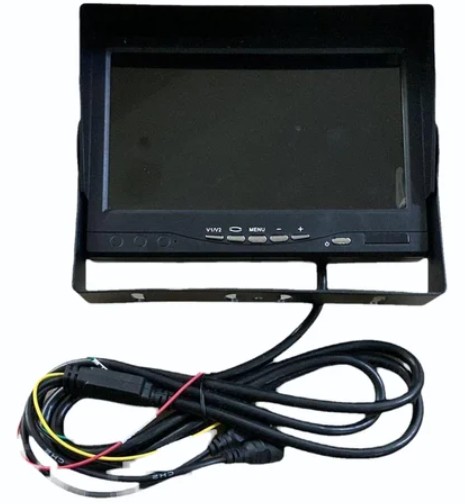
Overseas buyers usually choose between direct and indirect sourcing strategies when working with Korean TFT LCD suppliers. The decision depends on project volume, complexity, and required customization.
- Large consumer electronics brands often sign long‑term volume agreements directly with TFT LCD panel manufacturers for specific sizes and resolutions.
- Industrial and mid‑volume customers tend to work with distributors, solution houses, or EMS providers that purchase TFT LCD panels in bulk and then configure them into modules or finished products.
In many cases, overseas OEMs treat Korean TFT LCDs as a core technology and then integrate those panels in factories located in China, Southeast Asia, or Eastern Europe.
When choosing TFT LCD manufacturers and suppliers in South Korea, buyers should evaluate both technical performance and long‑term commercial stability.
- Confirm that the TFT LCD supplier can support the planned product lifecycle, especially for industrial and automotive devices that may remain in production for 7–10 years or more.
- Review certifications such as ISO quality standards and, where applicable, automotive standards, to ensure that the TFT LCD manufacturing system meets regulatory requirements.
Beyond formal certificates, engineering support and responsiveness are important. A strong Korean TFT LCD partner can help with:
- Reviewing viewing angle, brightness, and contrast requirements and recommending a suitable TFT LCD mode (IPS, VA, etc.).
- Matching panel resolution, timing, and interface to the existing processor or embedded board.
- Advising on mechanical design, including bezel opening, mounting holes, and thermal considerations around the TFT LCD module.
To optimize cost and flexibility, many OEMs combine Korean TFT LCD panels with integration services in other countries. The TFT LCD cell or open‑cell may be produced in Korea, while bonding, assembly into metal frames, and final device integration are done elsewhere.
- This allows buyers to keep the benefits of Korean TFT LCD quality and technology while leveraging competitive assembly costs and local customization.
- Industrial, medical, and transportation projects often follow this model, where the TFT LCD is sourced from a stable Korean supplier and the rest of the hardware is tailored locally.
Good communication between the TFT LCD manufacturer, integrator, and end customer helps avoid mismatches in interface, optics, and mechanical size.
South Korea remains a critical center for TFT LCD technology, anchored by global giants like Samsung Display and LG Display and complemented by a dense network of specialized panel makers, distributors, and system integrators. For global OEMs and system developers, sourcing TFT LCD solutions from Korean partners provides access to advanced display engineering, high manufacturing quality, and scalable production capabilities for consumer, industrial, automotive, and medical projects alike.
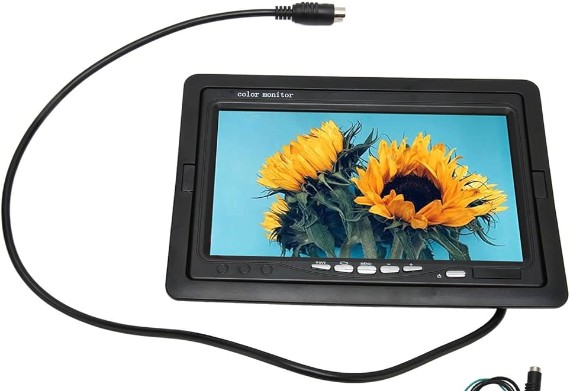
Korean TFT LCD manufacturers are attractive because they combine decades of display innovation with high‑volume production and strong process control, delivering consistent quality. They also support a wide range of panel sizes and specifications, enabling OEMs to standardize on a small number of trusted TFT LCD suppliers.
Yes, Samsung Display and LG Display remain highly influential in the TFT LCD market even as they invest heavily in OLED. Both companies continue to ship large volumes of TFT LCD panels for TVs, monitors, notebooks, and automotive displays, and their technologies often define industry benchmarks.
Distributors in South Korea manage inventory, logistics, and order handling for TFT LCD panels from major fabs. Solution companies and integrators then combine these TFT LCD modules with controller boards, software, and housings, giving buyers ready‑to‑use display subassemblies rather than just raw panels.
Korean TFT LCD panels are widely used in consumer electronics such as televisions, PC monitors, and laptops. They are also heavily used in automotive dashboards, industrial control panels, medical monitors, kiosks, and digital signage, where reliability and long‑term support for TFT LCD modules are essential.
Buyers should check the supplier's roadmap, lifecycle commitments, and quality certifications, as well as references in similar application fields. It is also important to confirm that the TFT LCD supplier can provide the required brightness, operating temperature, interface type, and after‑sales engineering support for the intended project.