Views: 222 Author: Wendy Publish Time: 2025-12-17 Origin: Site


Content Menu
● What Is a Resistive Touch Screen?
>> How Resistive Touch Screens Work
>> Types of Resistive Touch Screens
● Why Choose a Resistive Touch Screen?
>> 1. Works with Gloves and Styluses
>> 2. High Durability in Harsh Environments
>> 3. Immunity to EMI and Environmental Interference
>> 4. Lower Cost for Industrial Applications
>> 5. Compatibility with Legacy and Specialized Software
● Top Resistive Touch Screen Manufacturers in Europe
>> 1. Elo Touch Solutions (Europe)
>> 2. DMC (Dush Co., Ltd.) – European Distribution
>> 3. A D Metro (Distributor: DACPOL)
● Leading Resistive Touch Screen Suppliers and Distributors in Europe
>> 2. BRESSNER Technology (Germany)
>> 4. EP Electronic Print (Germany)
● Applications of Resistive Touch Screens in Europe
>> Industrial Automation and Machine Control
>> Medical and Healthcare Equipment
>> Point‑of‑Sale and Retail Systems
>> Transportation and Automotive
>> Military and Outdoor Kiosks
● How to Choose a Resistive Touch Screen Supplier in Europe
>> 1. Application Requirements
>> 2. Customization and Integration
>> 3. Quality and Certifications
>> 4. Local Support and Lead Times
● Frequently Asked Questions (FAQ)
>> 1. What is a resistive touch screen?
>> 2. How does a resistive touch screen differ from a capacitive touch screen?
>> 3. Where are resistive touch screens commonly used in Europe?
>> 4. Can a resistive touch screen work with gloves?
>> 5. What are the main types of resistive touch screens?
Resistive touch screen technology continues to play a vital role in industrial, medical, and commercial applications across Europe. Despite the rapid growth of capacitive and projected capacitive (PCAP) touch solutions in consumer electronics, the resistive touch screen remains the preferred choice in environments where reliability, glove operation, and resistance to harsh conditions are critical. This article explores the leading European resistive touch screen manufacturers and suppliers of resistive touch screens, their core technologies, key application areas, and how to select the right partner for OEM, industrial, and embedded projects.
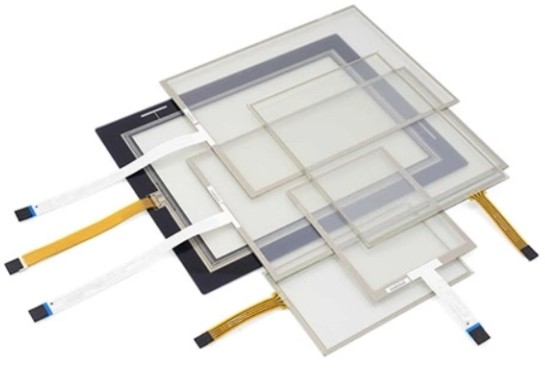
A resistive touch screen is a pressure‑sensing input device composed of two transparent, electrically resistive layers separated by a small air gap. When a user presses the screen with a finger, stylus, or gloved hand, the top flexible layer makes contact with the bottom rigid layer, creating a voltage divider. A controller measures this voltage change to determine the X and Y coordinates of the touch point and sends the data to the host system.
Because it relies on physical pressure rather than an electric field, a resistive touch screen can be activated by any object that applies sufficient force, including fingers, gloves, pens, and plastic cards. This fundamental characteristic makes it highly suitable for industrial, medical, and outdoor applications where users cannot or should not remove gloves.
A typical resistive touch screen consists of:
- A top flexible layer (usually PET film) coated with a transparent conductive material like ITO (indium tin oxide).
- A bottom rigid layer (glass or hard plastic) also coated with ITO.
- Spacer dots that keep the layers apart until pressure is applied.
- A controller that scans the voltage changes and reports touch coordinates to the host system.
When pressure is applied, the top layer bends and touches the bottom layer at a specific point. The controller applies a voltage gradient across one layer and measures the voltage on the other, allowing it to calculate the exact touch location. This simple, robust principle is why resistive touch screen technology is so widely used in mission‑critical and industrial environments.
There are several variants of resistive touch screen technology, each optimized for different performance and durability requirements:
- 4‑wire resistive: The most common and cost‑effective type, widely used in industrial HMIs, POS terminals, and medical devices. It is relatively simple to manufacture and integrate but can be more sensitive to wear on the top layer.
- 5‑wire resistive: More durable and accurate than 4‑wire, with the sensing layer on the glass, making it less prone to wear. Often used in high‑reliability industrial and medical equipment where long life and precision are essential.
- 8‑wire resistive: Offers better linearity and temperature stability, used in precision instruments and military applications where consistent performance across a wide temperature range is required.
- Analog resistive: A general term for voltage‑based resistive screens, as opposed to digital (PCAP) technologies. Analog resistive touch screens are often chosen for their simplicity, low cost, and compatibility with legacy systems.
Each of these resistive touch screen types can be customized in size, shape, and interface (USB, RS232, etc.) to fit specific panel PCs, monitors, or embedded systems, making them highly flexible for OEM and industrial projects.
While capacitive touch screens dominate smartphones, tablets, and many consumer devices, the resistive touch screen offers distinct advantages in professional and industrial settings. Understanding these benefits helps explain why it remains a dominant technology in Europe's manufacturing, healthcare, and commercial sectors.
One of the most significant advantages of a resistive touch screen is that it responds to any object that applies pressure. In factories, hospitals, and outdoor kiosks, operators often wear gloves for safety, hygiene, or weather protection. A resistive touch screen continues to work reliably with gloves, whereas many capacitive screens fail or become erratic. Similarly, a resistive touch screen works perfectly with styluses, pens, and other non‑conductive tools, making it ideal for precise data entry, drawing, and calibration tasks.
Industrial environments expose touch screens to dust, moisture, chemicals, oils, and mechanical impacts. A well‑designed resistive touch screen is sealed against contaminants and can meet IP65, IP66, or even IP69K ratings. Its robust construction ensures a long operational life, often rated for tens of millions of touches. This durability is crucial in European manufacturing, where equipment must operate reliably for years with minimal maintenance.
In factories, power plants, and medical facilities, electromagnetic interference (EMI) from motors, welding equipment, and high‑voltage systems can disrupt capacitive touch sensors. A resistive touch screen is largely immune to EMI because it relies on a simple resistive circuit, not a sensitive electric field. This makes it the preferred choice for industrial automation, control panels, and medical devices where signal integrity is critical.
For many industrial and medical OEMs, cost is a critical factor. A resistive touch screen is generally less expensive than a high‑performance capacitive or PCAP solution, especially when ruggedization, glove operation, and EMI resistance are required. This cost advantage, combined with proven reliability, explains why resistive touch screen technology remains popular in Europe's manufacturing and healthcare sectors. It allows OEMs to deliver robust, functional HMIs without significantly increasing the bill of materials.
Many industrial HMIs, medical devices, and point‑of‑sale systems were designed around single‑touch, pressure‑based interfaces. A resistive touch screen integrates seamlessly with this legacy software, avoiding the need for costly UI redesigns or driver changes. It also supports precise input with a stylus, which is essential for detailed data entry, drawing, or calibration tasks. This backward compatibility is a major reason why many European OEMs continue to specify resistive touch screen solutions in new equipment.
Europe is home to a mix of global brands with local subsidiaries and specialized regional manufacturers that focus on industrial and medical resistive touch screen solutions. Below are some of the leading players in the European market.
Elo is a global leader in touch technology and a major supplier of resistive touch screen components and monitors in Europe. Their AccuTouch® 5‑wire resistive technology is widely used in POS terminals, industrial panel PCs, medical equipment, and self‑service kiosks.
- Key products: AccuTouch 5‑wire resistive touch screens, open‑frame monitors, and integrated touch monitors.
- Strengths: In‑house design of touch sensors, ASICs, firmware, and drivers; high durability (rated for over 35 million touches); support for NEMA 4/4X/12 and IP65 sealing.
- Applications: Retail POS, industrial automation, medical devices, office automation, and pharmacy systems.
Elo's European operations provide localized support, customization, and integration services, making them a top choice for OEMs and system integrators across the continent. Their resistive touch screen solutions are known for reliability, long product life, and excellent performance in demanding environments.
DMC is a Japanese manufacturer of high‑durability resistive and capacitive touch panels, with a strong presence in Europe through distributors and partners. Their analog resistive touch screens are widely used in industrial HMIs, medical devices, and automation systems.
- Key products: 4‑wire and 5‑wire analog resistive touch screens, full‑flat resistive touch monitors, and touch controllers.
- Strengths: Excellent scratch and chemical resistance; anti‑glare coatings; reliable operation with gloves and styluses; RS232/USB interfaces.
- Applications: Industrial control panels, medical equipment, POS systems, and test/measurement devices.
DMC's resistive touch screens are often integrated into European industrial displays and panel PCs, offering a balance of performance, durability, and cost. Their long‑term availability and technical support make them a trusted partner for European OEMs.
A D Metro is a well‑known manufacturer of rugged resistive and capacitive touch screens, with its products distributed in Europe by companies like DACPOL. Their ULTRA resistive touch screens are designed for demanding commercial, industrial, and military applications.
- Key products: ULTRA resistive touch screens, resistive touch screen controllers, and rugged touch modules.
- Strengths: High durability and dependability; excellent performance in harsh environments; long lifespan; support for glove and stylus operation.
- Applications: Industrial HMIs, military systems, outdoor kiosks, and control panels.
DACPOL and similar European distributors provide local inventory, technical support, and integration assistance for A D Metro's resistive touch screen products, making them accessible to European OEMs and system integrators. Their focus on reliability and performance in tough conditions aligns well with European industrial requirements.
ROOS is a German manufacturer that specializes in customized capacitive and resistive touch screens for industrial and medical applications. They offer tailored solutions that can be adapted to specific mechanical, optical, and environmental requirements.
- Key products: Custom resistive touch screens, printed touch panels, and integrated touch displays.
- Strengths: High degree of customization (size, shape, printing, connectors); expertise in industrial and medical environments; strong local support in Germany and Central Europe.
- Applications: Industrial control systems, medical devices, laboratory equipment, and specialized HMIs.
ROOS's focus on individual, application‑specific resistive touch screen solutions makes them a preferred partner for European OEMs that need unique form factors or enhanced durability. Their ability to deliver small‑batch and custom designs is particularly valuable for niche industrial and medical projects.
Keetouch is a German manufacturer of touch monitors and screens with over 20 years of experience in the European market. They offer both resistive and capacitive touch technologies, with a strong emphasis on industrial and commercial applications.
- Key products: Resistive touch monitors, open‑frame touch screens, and custom touch solutions.
- Strengths: High accuracy with stylus input; reliable operation with gloves and non‑sharp objects; resistance to bright sunlight, water, dirt, and dust; low susceptibility to electrical interference.
- Applications: POS systems, educational institutions, medical equipment, and industrial environments.
Keetouch's resistive touch screens are particularly well‑suited for “dirty” manufacturing facilities and aggressive industrial conditions where the screen surface may be contaminated with grease, dust, or moisture. Their European presence ensures fast delivery and responsive technical support.
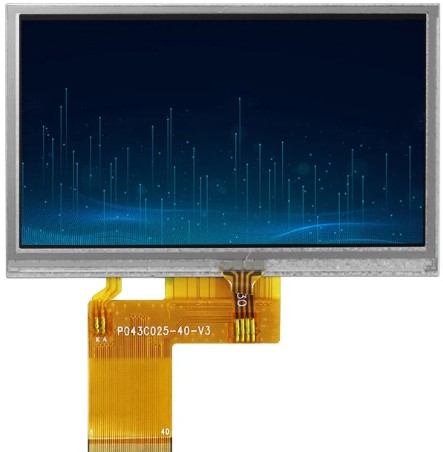
In addition to manufacturers, a network of specialized suppliers and distributors plays a crucial role in bringing resistive touch screen solutions to European OEMs, system integrators, and end users.
DACPOL is a European distributor of industrial components, including a wide range of resistive touch screens from brands like A D Metro. They focus on reliable, durable solutions for industrial, medical, and automation applications.
- Offerings: ULTRA resistive touch screens, resistive touch screen controllers, and related accessories.
- Value for OEMs: Local stock, technical support, and integration guidance for resistive touch screen projects in Europe.
DACPOL's strength lies in providing ready‑to‑use, rugged components that can be quickly integrated into industrial and medical systems, reducing development time and risk.
BRESSNER is an IT solutions provider that supplies industrial touch displays and panel PCs with resistive, PCAP, and SAW touch technologies. Their panel‑mount touch displays are widely used in machine building and automation.
- Offerings: Panel‑mount touch displays (5.7″ to 55″) with resistive touch options, IP65/66/67 protection, and ATEX‑certified models.
- Value for OEMs: Rugged, certified solutions for harsh environments, with support for glove operation and long‑term availability.
BRESSNER's focus on industrial and hazardous environments makes them a key supplier for European machine builders and system integrators who need reliable resistive touch screen displays.
FAVORPOS is a European company specializing in POS computer touch screen systems, including models with resistive touch technology. They offer OEM/ODM services for custom POS terminals and kiosks.
- Offerings: POS terminals and computers with resistive touch screens, tailored for retail, catering, and supermarkets.
- Value for OEMs: High customization, multi‑segment support, and localized European service.
FAVORPOS helps European retailers and hospitality businesses deploy cost‑effective, durable resistive touch screen POS systems that perform reliably in busy, high‑traffic environments.
EP Electronic Print develops and produces customized touchscreens for industrial and medical sectors, including analog resistive and projected capacitive technologies.
- Offerings: Custom resistive touch screens, various design options and sizes, high‑quality tailored solutions.
- Value for OEMs: Over 30 years of experience, strong focus on industrial and medical applications, and flexible customization.
EP Electronic Print is ideal for European OEMs that need small‑volume, highly customized resistive touch screen panels for specialized equipment.
The resistive touch screen is deeply embedded in several key European industries, where its unique advantages translate into real‑world reliability and cost savings.
In European factories, resistive touch screen HMIs are standard on CNC machines, robotic cells, and assembly lines. Operators often wear gloves, and the environment is filled with dust, oil, and EMI from heavy machinery. A resistive touch screen ensures consistent, accurate control without false touches or dropouts. Its ability to work with styluses also makes it ideal for programming, calibration, and maintenance tasks.
European medical device manufacturers rely on resistive touch screen panels for patient monitors, diagnostic equipment, and therapy devices. These screens must withstand frequent cleaning with disinfectants, work with latex or nitrile gloves, and provide precise, pressure‑sensitive input for critical adjustments. The reliability and EMI immunity of a resistive touch screen make it a safe, dependable choice in clinical environments.
In retail, hospitality, and self‑service kiosks, resistive touch screen POS terminals remain popular because they work reliably with fingers, gloves, and styluses. They are also more resistant to spills, dirt, and casual abuse than many capacitive alternatives, reducing downtime and maintenance costs. For European retailers, this translates into higher uptime and lower total cost of ownership.
In commercial vehicles, trains, and industrial vehicles, resistive touch screen displays are used for navigation, diagnostics, and control. They perform well in environments with vibration, temperature extremes, and EMI from vehicle electrical systems, where capacitive screens might fail. Their ability to work with gloves and styluses is also a major advantage for drivers and operators.
For military systems, outdoor information kiosks, and public terminals, resistive touch screen technology offers a rugged, reliable solution that works in rain, snow, and extreme temperatures. Its immunity to water and condensation on the screen surface is a major advantage in these applications, where downtime can be costly or even dangerous.
Selecting the right resistive touch screen manufacturer or supplier in Europe requires careful evaluation of several factors.
Define the environment (industrial, medical, outdoor, etc.), required IP rating, operating temperature range, and whether glove or stylus operation is needed. This will determine whether a standard or rugged resistive touch screen is appropriate. For example, a medical device may require an IP65‑rated, anti‑glare resistive touch screen, while an outdoor kiosk may need a high‑brightness, sunlight‑readable display with a durable resistive overlay.
Many European OEMs need custom sizes, shapes, bezels, or mounting options. Look for suppliers that offer OEM/ODM services, optical bonding, and support for specific controllers and drivers. A supplier that can provide mechanical drawings, optical specifications, and integration guides will significantly reduce development time and risk.
Ensure the resistive touch screen meets relevant European standards (CE, RoHS, REACH) and, if applicable, medical (IEC 60601) or industrial (IEC 61000) certifications. Ask about warranty, MTBF, and touch life (e.g., 35 million touches). High‑quality resistive touch screens from reputable European manufacturers typically offer long product life and consistent performance.
A European supplier or distributor with local stock, technical support, and repair services can significantly reduce project risk and downtime. Consider lead times, minimum order quantities (MOQs), and long‑term availability. For mission‑critical applications, a supplier that guarantees long‑term supply and spare parts availability is essential.
Compare not just the unit price of the resistive touch screen, but also integration effort, maintenance, and expected lifespan. A slightly more expensive, higher‑quality resistive touch screen often delivers better value in demanding applications by reducing field failures, service calls, and replacement costs.
The resistive touch screen remains a vital technology for industrial, medical, and commercial applications across Europe. Its ability to work with gloves, styluses, and in harsh environments, combined with high durability and EMI immunity, makes it the preferred choice for many OEMs and system integrators. Leading European manufacturers and suppliers like Elo, DMC, A D Metro, ROOS, Keetouch, DACPOL, and BRESSNER offer a wide range of resistive touch screen solutions, from standard panels to fully customized industrial displays.
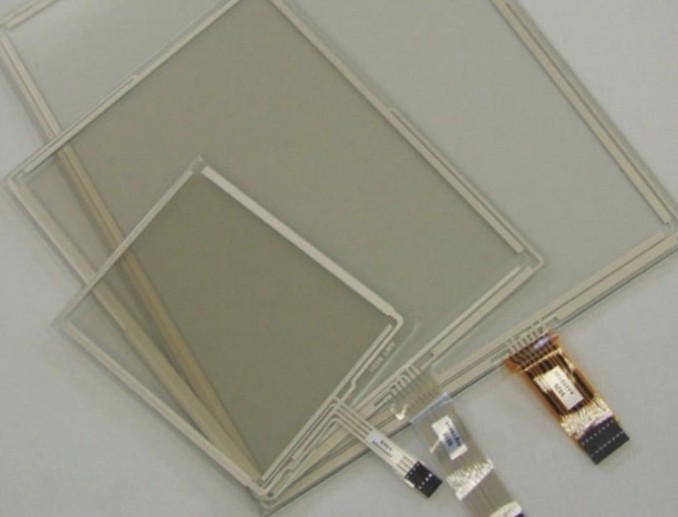
A resistive touch screen is a pressure‑based input device made of two transparent, electrically resistive layers separated by a small air gap. When pressed, the top flexible layer touches the bottom rigid layer, and the controller detects the touch coordinates. It works with fingers, gloves, styluses, and most non‑sharp objects, making it ideal for industrial, medical, and outdoor applications where reliability and glove operation are essential.
A resistive touch screen relies on physical pressure and works with any object, including gloves and styluses. A capacitive touch screen uses an electric field and typically requires a bare finger or special capacitive stylus. Resistive screens are more durable in harsh environments and less sensitive to EMI, but usually support only single‑touch, while capacitive screens support multi‑touch gestures and are more common in consumer devices.
In Europe, resistive touch screen technology is widely used in industrial automation (CNC machines, HMIs), medical devices (patient monitors, diagnostic equipment), POS and retail systems, transportation (vehicle displays, train controls), and outdoor kiosks. Its reliability in dirty, wet, and EMI‑heavy environments makes it a top choice for these sectors, especially where operators wear gloves or the screen is exposed to dust, moisture, or chemicals.
Yes, a resistive touch screen is specifically designed to work with gloves, styluses, pens, and other non‑conductive objects. This is one of its main advantages over capacitive touch screens, which often fail or become unreliable when users wear gloves, especially in industrial and medical settings. This feature makes resistive touch screens the preferred choice for factories, hospitals, and outdoor applications across Europe.
The main types of resistive touch screen are 4‑wire, 5‑wire, and 8‑wire analog resistive. 4‑wire is the most common and cost‑effective, widely used in industrial HMIs and POS systems. 5‑wire is more durable and accurate, with the sensing layer on the glass, making it suitable for high‑reliability industrial and medical equipment. 8‑wire offers better linearity and temperature stability for precision instruments and military applications. Each type can be customized in size, shape, and interface for specific industrial and commercial uses.